

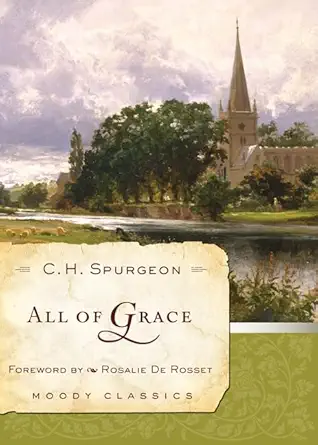
All of Grace began as a tract Spurgeon meant to press into as many hands as possible. He had tens of thousands printed at his own expense and distributed without charge, his single aim being to set the freeness of salvation before anyone who doubted it was truly free. The plan was exactly as the title names: grace from beginning to end, with no preparation of merit, no fitness of feeling, no ladder of works to climb — only the outstretched hand of Christ and the command to trust Him.
The book's argument moves from the ground up. Spurgeon opens by addressing the very people most likely to think themselves disqualified — the guilty, the despairing, the ones who have tried and failed — and one by one removes every objection they bring. The chapter "It Is God That Justifieth" dismantles every substitute for divine grace; "What Is Faith?" makes the act of believing as simple and as necessary as a drowning man's grip on a rope; "Honest Dealing with God" presses for a real transaction rather than a religious sentiment.
Its reception answered every hope. Translated into dozens of languages, distributed in the millions, placed in lodging-house libraries and prison cells and hospital wards, the book has led more souls to Christ than perhaps any other tract in the English language. Spurgeon would not have found the statistic surprising — he wrote it on his knees, and the chapters read like prayers. It has never gone out of print.
"Who knows how many will find their way to peace by what they read here? A more important question to you, dear reader, is this--Will you be one of them?" — CH Spurgeon