
The Spurgeon Timeline
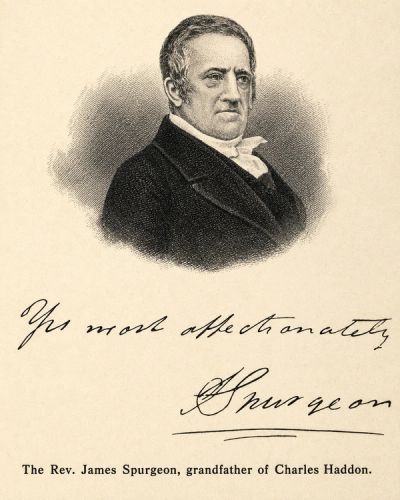
Spurgeon’s life was rooted in a Nonconformist and Puritan heritage, and his grandfather James carried that legacy into pastoral ministry at Stambourne. Before Charles was born, the convictions that would shape him—love for evangelical preaching, distrust of religious compromise, and reverence for the old Puritan divines—were already part of his family’s spiritual inheritance.
Ancestor Job Spurgeon of Dedham had goods seized for attending a Nonconformist meeting.
Job Spurgeon imprisoned in Chelmsford jail for religious convictions.
James Spurgeon, Charles H. Spurgeon’s grandfather, born at Halstead, Essex.
Lewis and Clark set off from St. Louis in search of a water route connecting the Missouri and Columbia rivers.
James Spurgeon began ministering at Clare, Suffolk, before moving to Stambourne.
Isaac Backus, Baptist pioneer of American religious liberty, dies.
James Spurgeon accepted pastorate at Independent Church, Stambourne.
John Spurgeon, Charles H. Spurgeon’s father, born at Clare, Suffolk.
Ann and Adoniram Judson sail for India.
The Baptist Union of Great Britain is founded.
Charles Haddon Spurgeon was born on June 19, 1834. As a small child, he was sent to live with his grandparents in Stambourne, where his grandfather’s preaching, the rural setting, and early exposure to Puritan books began shaping the mind and soul of the future preacher.
Susannah Thompson, Spurgeon's future wife, is born.
Charles Haddon Spurgeon, the eldest of seventeen children, is born in Kelvedon, Essex.
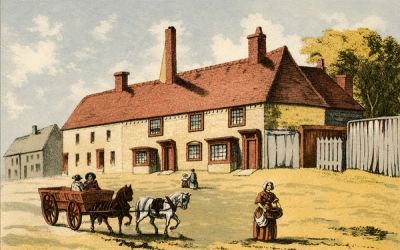
Birthplace of CH Spurgeon
Spurgeon is baptized as an infant by his grandfather, James Spurgeon, in Stambourne.
Spurgeon's parents move to Colchester while Spurgeon moves to Stambourne to live with his grandfather, discovering a library of Puritan works in the attic. Read about these formative years in 'Memories of Stambourne,' published in 1891.
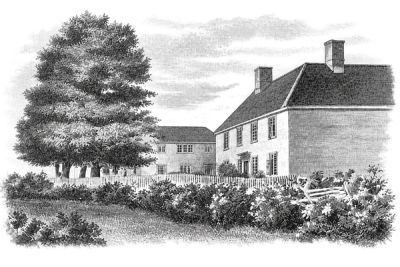
The Old Manse and Meeting House
The 1840s were years of childhood formation and spiritual awakening. Back in his parents’ home, Spurgeon was deeply influenced by his mother’s prayers and teaching, while also proving to be a bright and serious student. By the end of the decade, he was studying near Cambridge and struggling intensely with guilt, sin, and his need for salvation.
A Christmas Carol by Charles Dickens was published.
Spurgeon's earliest known writing, a handmade magazine entitled Home Juvenile Society, is written in Colchester.
Spurgeon attends All Saints' Agricultural College, Maidstone, Kent.
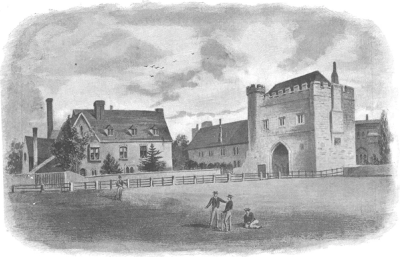
Moved to Newmarket, Cambridgeshire, to work as an usher and teacher at a school run by Mr. John Swindell
Spurgeon completes the 295-page handwritten essay "Antichrist and Her Brood; Or, Popery Unmasked."
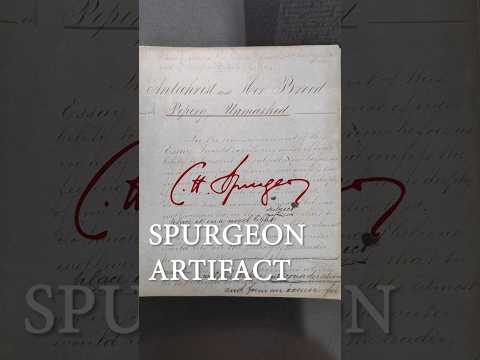
This item is held at the Spurgeon Library in Kansas City
Charles Spurgeon delivered first public speech at a missionary meeting.
On a cold January morning in 1850, Spurgeon entered a primitive Methodist chapel seeking shelter and left with his soul transformed. Within months he was preaching. Within a few years, he was drawing thousands of hearers in London.
Compromise of 1850 attempted to settle U.S. disputes over slavery and territories.
CH Spurgeon was converted to faith in Christ. This took place after hearing Isaiah 45:22 preached at the Primitive Methodist Artillery Street Chapel, Colchester.
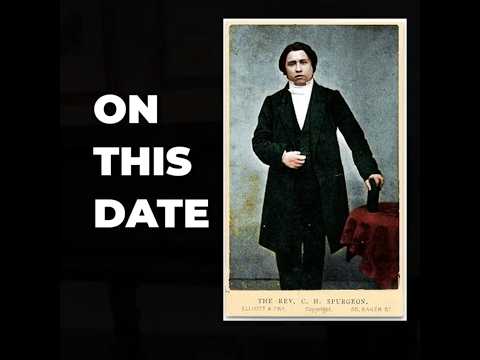
Admitted to church membership at Newmarket.
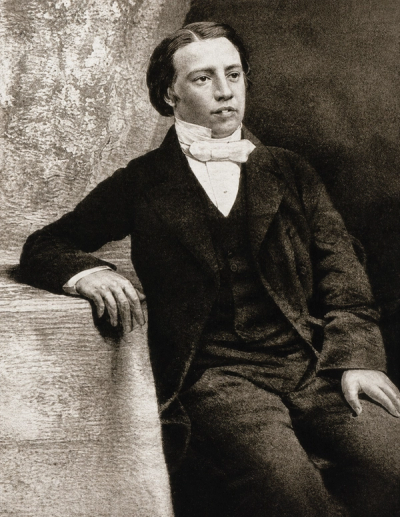
Wrote final letter to his father on the subject of baptism before being baptized.
Spurgeon moves from Newmarket to Cambridge.
Spurgeon is received as a member of St. Andrew's Street Baptist Chapel in Cambridge. He wrote his mother, saying "May my future relation with them, whether brief or protracted, be for the glory of Jesus Christ!"
Great Exhibition opened at the Crystal Palace in London.
Louis-Napoleon Bonaparte carried out a coup in France.
Moved to Cambridge to become usher under Mr. Leeding.
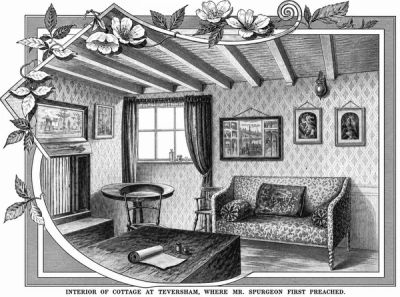
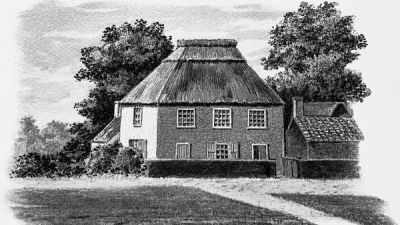
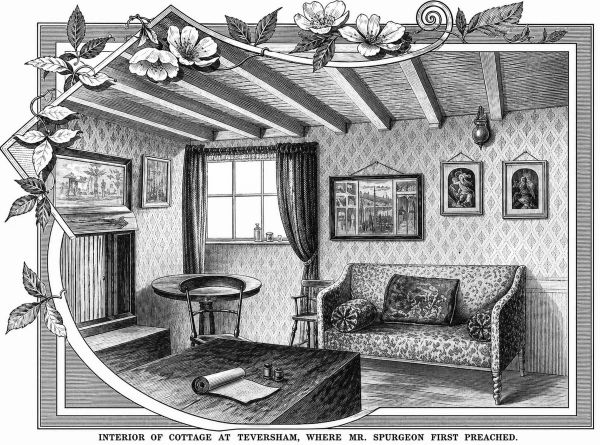
The First Sermon Charles Spurgeon Ever Preached. At just 16 years old, Charles Spurgeon was tricked into delivering his first very first sermon at a cottage in Teversham
Charles Spurgeon delivers his first sermon at Waterbeach Baptist Chapel. He would be asked to return and, before long, would become their pastor.
Herman Melville publishes Moby Dick.
Uncle Tom’s Cabin published and became a major antislavery novel.
Spurgeon misses his interview with Joseph Angus, tutor of Stepney College. He ultimately decides not to pursue formal education.
Crimean War began between Russia and the Ottoman Empire, soon drawing in Britain and France.
Waterbeach Tracts began publication.
The Crimean War begins.
Spurgeon first preached at New Park Street Chapel on Sunday, December 18, 1853, when he was just nineteen. His morning sermon was modestly attended, but by evening word had spread and the congregation was much larger. The impact was immediate: the church soon invited him to preach again, then to supply the pulpit, and within months called him as pastor.
Broad Street cholera outbreak in London
Charge of the Light Brigade took place during the Battle of Balaclava.
Spurgeon meets George Müller for the first time.
As cholera swept through London, Spurgeon ministered extensively to the sick and dying, offering pastoral care and gospel hope amid the crisis.
Missionary Hudson Taylor arrives in China.
New Park Street Church formally invited Spurgeon to become its pastor.
The Crystal Palace opens in its new location in Sydenham.
Spurgeon proposes to Susannah Thompson in her grandfather's garden.
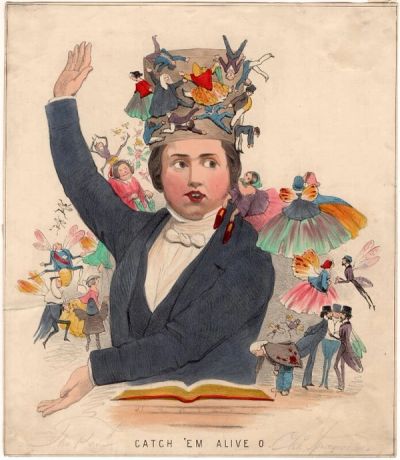
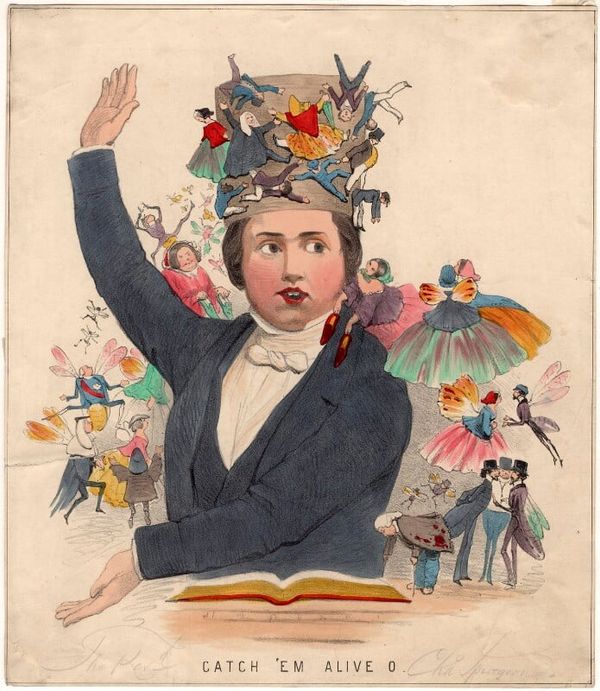
A caricature titled “Catch ’em alive, O!” appeared, illustrating early public attention and criticism of Spurgeon.
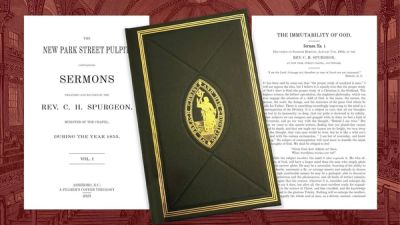
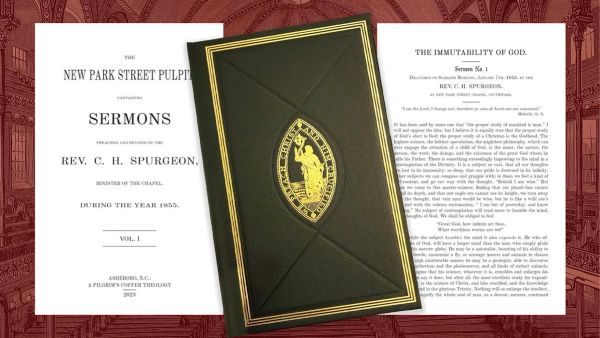
Spurgeon publishes his first volume of sermons in the New Park Street Pulpit, with later sermons published as The Metropolitan Tabernacle Pulpit; the publication continued until May 10, 1917.
Thomas Medhurst begins studying under Spurgeon's supervision, the beginnings of the Pastors' College.
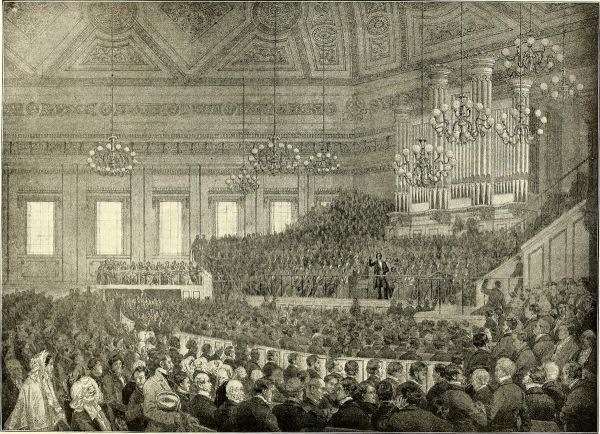
Spurgeon preaches for the first time at Exeter Hall, the Strand, London. It is sermon number 7, Christ Crucified, in Volume 1 of New Park Street Pulpit
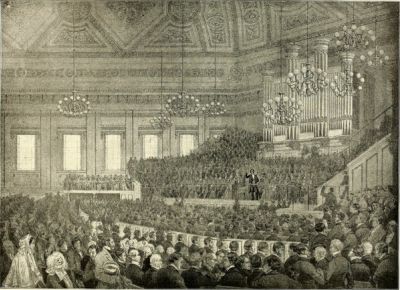
Dwight L. Moody is converted to Christianity.
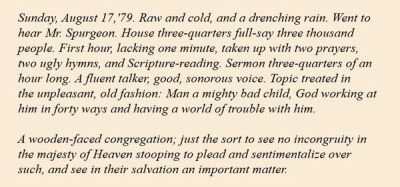
A newspaper critiques Spurgeon, saying that he "is a nine days’ wonder—a comet that has suddenly shot across the religious atmosphere. He has gone up like a rocket, and ere long will come down like a stick."
James Buchanan elected U.S. president.
Membership of New Park Street Chapel reaches 860.
Treaty of Paris ended the Crimean War.
Metropolitan Tabernacle Building Committee formed.
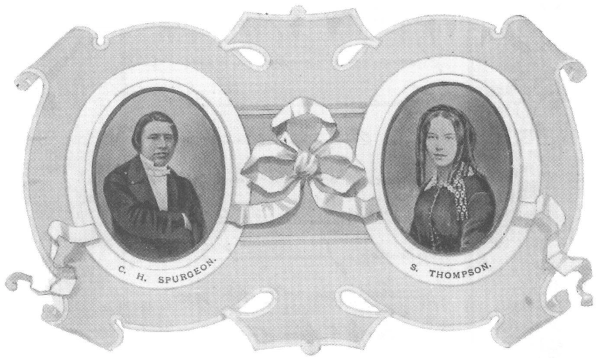
Spurgeon marries Susannah Thompson and embarks upon a ten-day honeymoon in Paris, France.
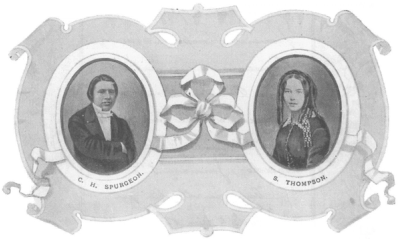
Preached at Stambourne for grandfather James Spurgeon’s fiftieth year in ministry.
Twin sons Charles and Thomas born in the Spurgeons’ first home on New Kent Road.
In the Surrey Gardens Music Hall disaster, seven people are killed and twenty-eight are injured; Spurgeon subsequently falls into a deep depression.
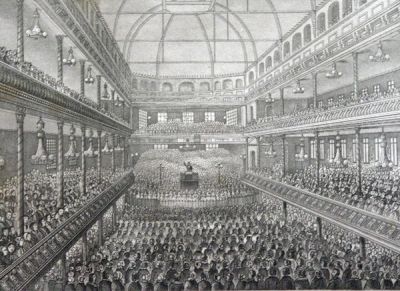
Returned to preaching after collapse caused by Surrey Gardens tragedy. It can be found in Volume 2 of the New Park Street Pulpit, titled The Exaltation of Christ.
Services recommenced at the Music Hall.
Atlantic telegraph cable efforts continued, anticipating later transatlantic communications.
B. J. Silverton is accepted as the second student of the Pastors' College.
Dred Scott decision deepened U.S. conflict over slavery.
First biographical sketch of Spurgeon by George John Stevenson published; it circulated in Britain and the United States.
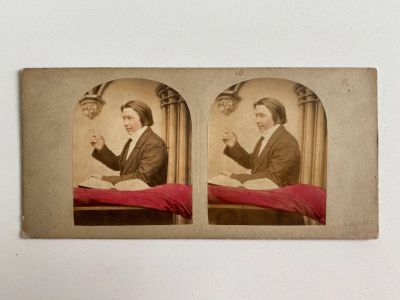
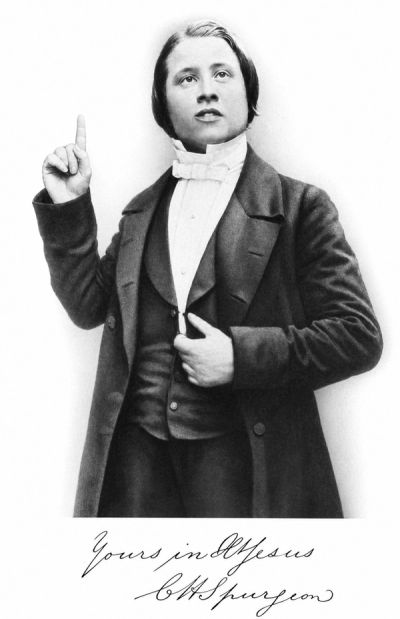
1857 C. H. SPURGEON Stereoview of a Very Young Spurgeon
Spurgeon preached to 23,654 people – his largest crowd ever – at The Crystal Palace.
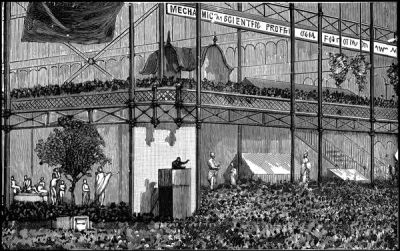
First transatlantic telegraph cable briefly transmitted messages.
Lincoln-Douglas debates took place in Illinois.
Spurgeon preaches at the Epsom Race Course to 10,000 people.
A makeshift structure collapses in Halifax, West Yorkshire, during Spurgeon's preaching; while there are no deaths, many are injured.
Spurgeon's first pulpit appearance in Ireland.
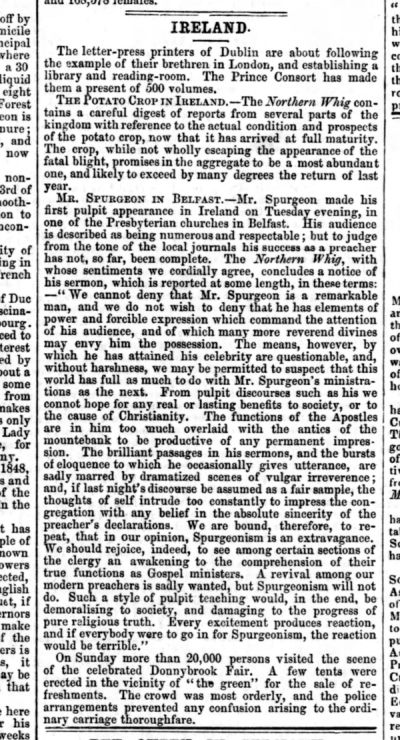
Cambridge Weekly News, August 28, 1858
Big Ben first rang from the Palace of Westminster clock tower.
Darwin published On the Origin of Species.
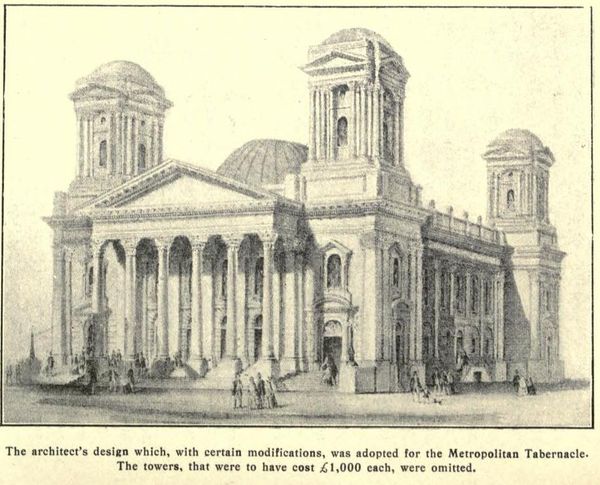
An architecture competition is held at the Newington Horse and Carriage Repository for renderings of the proposed Metropolitan Tabernacle.
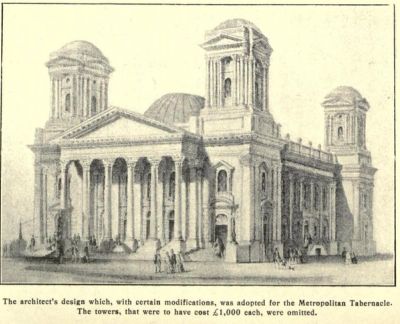
Spurgeon preaches under a tree at Clapham Common to 10,000 people.
Foundation stone of the Metropolitan Tabernacle is laid
South Carolina fugitive slave John Andrew Jackson shares the platform with Spurgeon at the Metropolitan Tabernacle, and consequently Spurgeon's sermon sales drop in the United States.
Last service in Surrey Gardens Music Hall after the venue was made available on Sunday afternoons for secular entertainment, which Spurgeon regarded as profaning the Sabbath day
The Metropolitan Tabernacle opened its doors in 1861. He expanded his preaching, writing, pastoral work, and training of ministers through the Pastors’ College, while also developing ministries such as The Sword and the Trowel, colportage work, and the Stockwell Orphanage.
HMS Warrior, Britain’s first ocean-going ironclad battleship, launched.
Spurgeon in Calvin’s gown and pulpit at Geneva.
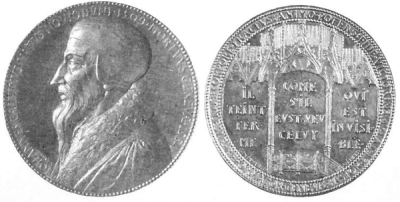
FACSIMILE OF CALVIN MEDAL PRESENTED TO MR. SPURGEON AT GENEVA
South Carolina seceded from the United States after Lincoln’s election.
Several volumes of Spurgeon's sermons are burned in Alabama because of his anti-slavery views.
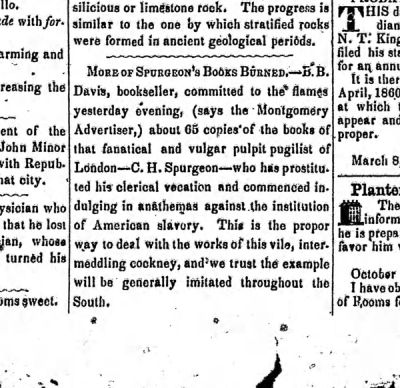
An article that appeared in the Clarke County Democrat, March 8 1860
Abraham Lincoln is elected the sixteenth President of the United States.
David Livingstone pens in his African diary "Very good" in regard to Spurgeon's sermon "Accidents, Not Punishments."
Prince Albert died, plunging Queen Victoria into mourning.
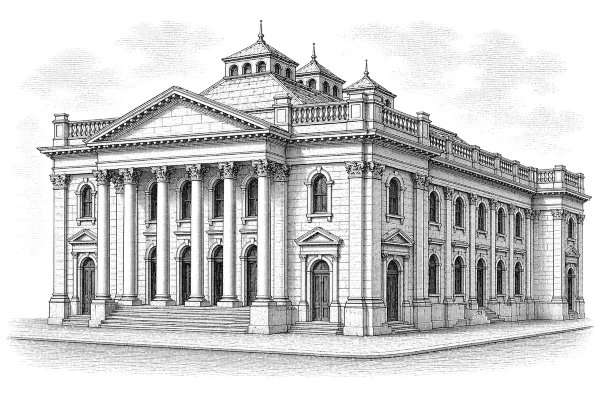
The Metropolitan Tabernacle is opened, debt free, with a congregation of 1,200 people.
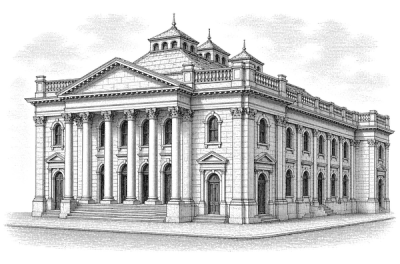
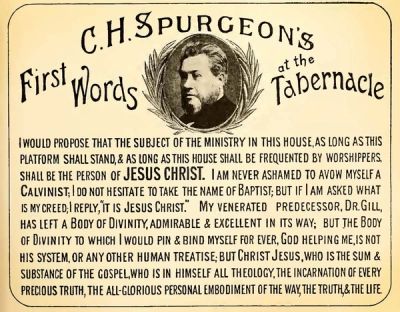
The U.S. Civil War begins with the attack on Fort Sumter.
Spurgeon delivers the lecture "On the Gorilla and Land he Inhabits." He used a stuffed gorilla on stage to playfully satirize Charles Darwin's evolutionary theories. He is mocked widely.
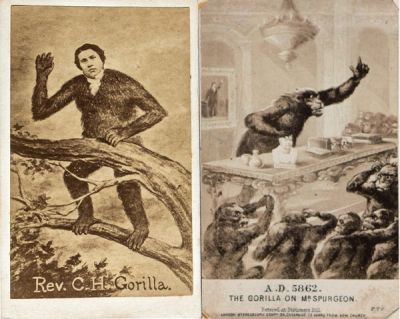
Carte de Visites mocking Spurgeon
Homestead Act opened western land to U.S. settlers.
Spurgeon Preaches to an open air crowd of 10,000
Battle of Gettysburg fought during the U.S. Civil War.
The Pastors' College has 66 students, and one million copies of Spurgeon's sermons are sold annually.
Tabernacle Membership reaches 2,500
Emancipation Proclamation took effect in the United States.
London Underground opened with the Metropolitan Railway.
First Geneva Convention established rules for wartime care of wounded soldiers.
James Spurgeon, grandfather of Charles, died in his eighty-eighth year.
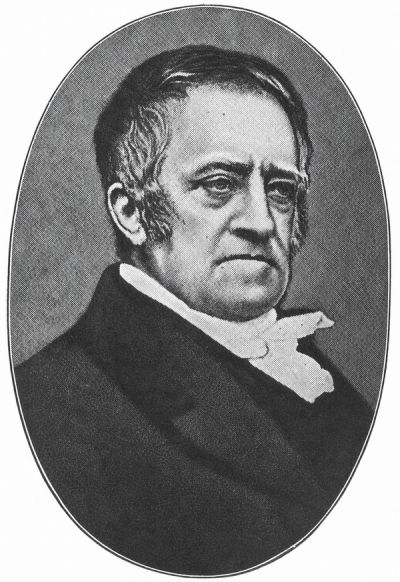
Spurgeon preaches his controversial "Baptismal Regeneration" sermon, which sells 300,000 copies by the end of the year and a half million copies by the end of the century.
Preached at the Primitive Methodist Chapel in Colchester and pointed out the pew where he had been converted.
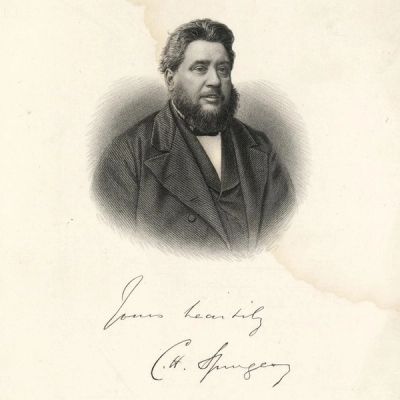
East London Christian Mission began, later becoming the Salvation Army.
Spurgeon withdraws from the Evangelical Alliance but later rejoins.
U.S. Civil War ended.
Began publishing The Sword and the Trowel.
Abraham Lincoln assassinated.
East London cholera outbreak occurred, one of the last major London cholera epidemics.
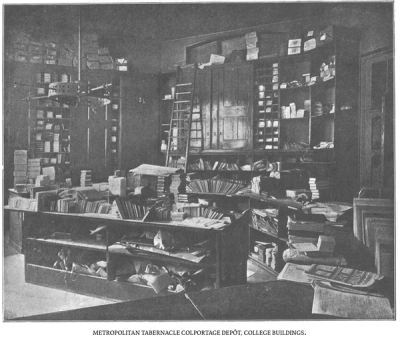
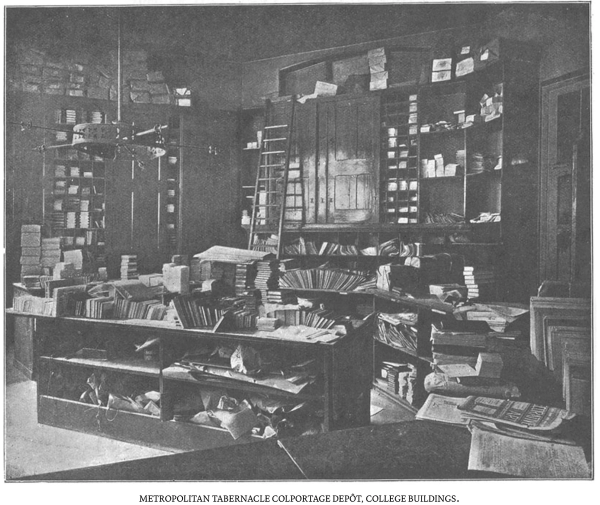
Metropolitan Tabernacle Colportage Association founded. Colporteurs distributed Bibles, tracts, and religious books from door to door.
Permanent transatlantic telegraph cable successfully connected Britain and North America.
Spurgeon published Our Own Hymn-book, a hymnal for the Metropolitan Tabernacle.
Plans for establishing an orphanage is publicly announced in The Sword and the Trowel after anonymous £20,000 gift.
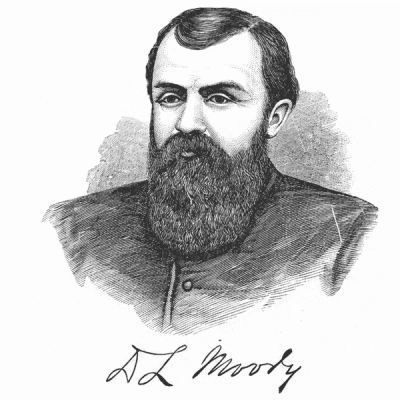
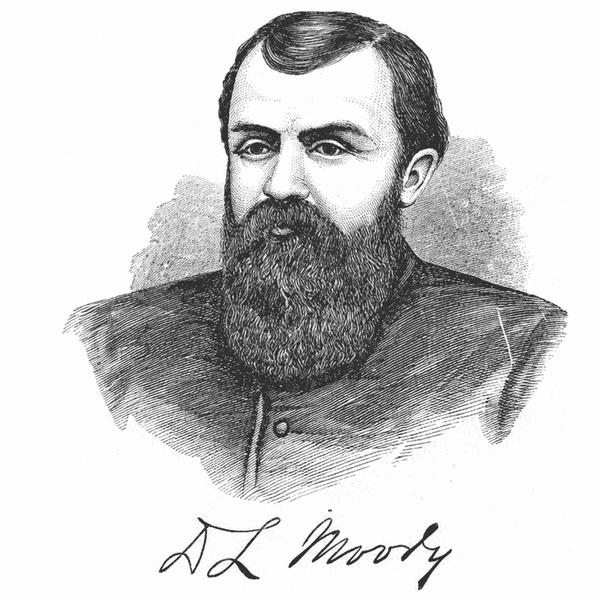
D. L. Moody attended Spurgeon’s services for the first time.
United States purchased Alaska from Russia.
Sunday services held at Agricultural Hall during Tabernacle renovation from March 24 through April 21. Each service was reportedly attended by about 20,000.
First six orphan boys were housed temporarily while the Stockwell Orphanage buildings were being prepared.
Vernon J. Charlesworth accepted leadership of the Stockwell Orphanage after a prior headmaster withdrew.
Fourteenth Amendment ratified in the United States.
William Ewart Gladstone became British prime minister for the first time.
Susannah Spurgeon became an invalid, limiting her ability to hear her husband preach in person.
Spurgeon’s brother James became co-pastor of the Metropolitan Tabernacle.
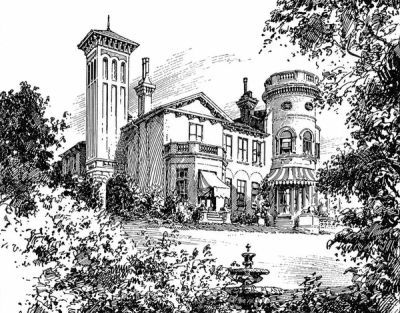
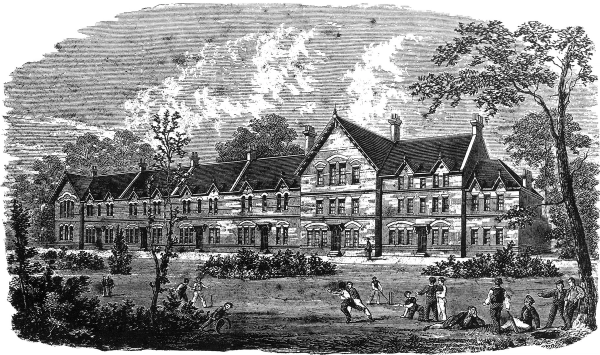
Spurgeons Move to Helensburgh House
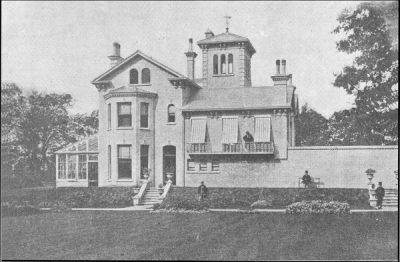
Back view of the new "Helensburge House," CH Spurgeon's third home after marriage. The preacher is seen standing upon the balcony.
First U.S. transcontinental railroad completed.
Irish Church Act disestablished the Church of Ireland.
Weekly Offering for the Pastors’ College reached exactly £1,869.
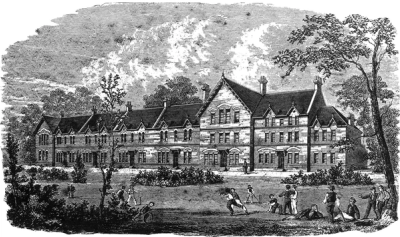
Stockwell Orphanage buildings completed; cost of £10,200 paid in full.
The 1870s were marked by steady expansion and exhausting labor. Spurgeon continued preaching to large congregations and printed sermons were selling 25,000 copies a week. His influence broadened, but his recurring illness and depression showed that his remarkable productivity came at a personal cost.
Elementary Education Act laid foundations for state education in England and Wales.
John A. Broadus publishes On the Preparation and Delivery of Sermons.
Spurgeon's sermons sell 25,000 copies per week.
Final university restrictions lifted for Nonconformists seeking degrees from Oxford and Cambridge.
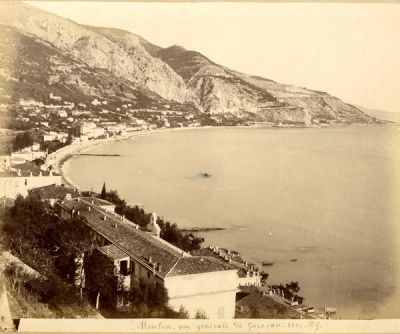
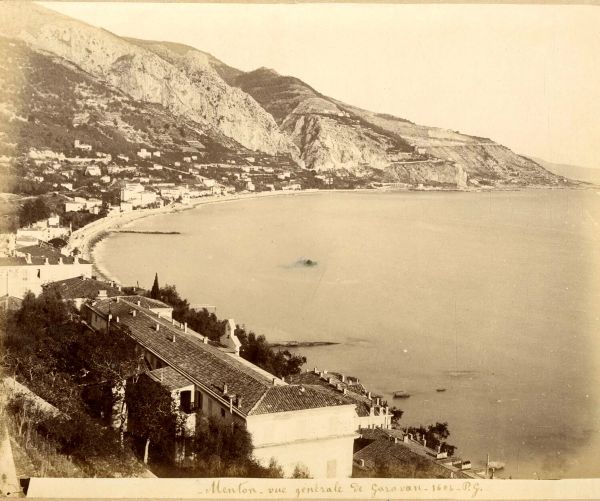
Spurgeon visits Mentone, France, for relief from illness.
British census figures put the population of Great Britain at roughly 26 million.
The Great Chicago Fire kills roughly 300 people and causes over $200 million in damages.
D. L. Moody and Ira Sankey began evangelistic work in Britain, contributing to a major transatlantic revival movement.
George Müller continued expanding the Ashley Down orphan houses in Bristol, a ministry often associated with Spurgeon’s evangelical network.
Spurgeon is invited by Yale University to give the Lyman Beecher Lectures on Preaching, but he declines the invitation.
David Livingstone died in central Africa; one of Spurgeon’s printed sermons was later found among his possessions.
Foundation stone of the Pastors’ College building laid.
Benjamin Disraeli became British prime minister after the general election.
Pastors' College migrates to Temple Street in south London.
The Public Worship Regulation Act was passed in Britain amid controversy over ritualism in the Church of England.
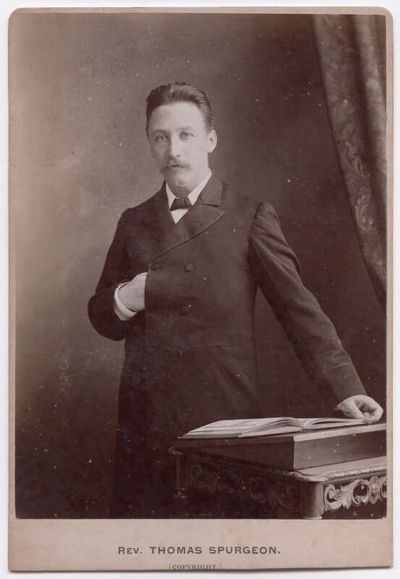
Spurgeon's twin sons are baptized at the age of 18.
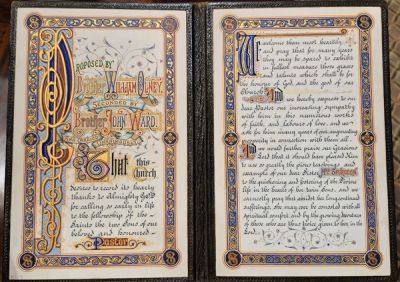
A commemoration given to Spurgeon from his church on the occasion of his sons' baptism. Housed at the Spurgeon Library
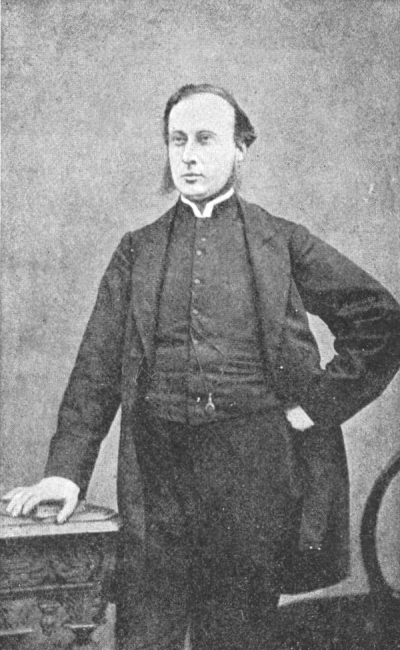
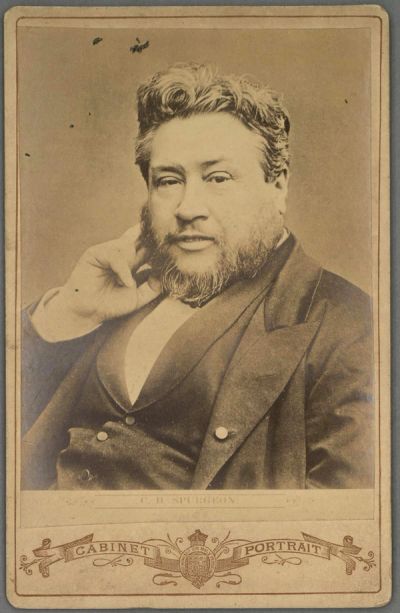
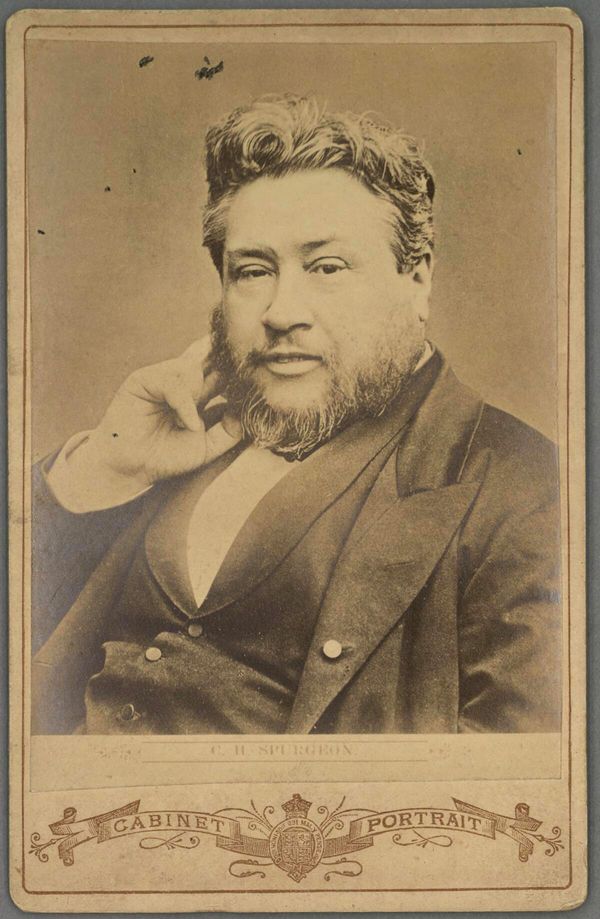
Spurgeon Portrait taken 1875
Civil Rights Act of 1875 passed in the United States.
Mrs. Spurgeon’s Book Fund inaugurated.
Public Health Act consolidated sanitary law in Britain.
Spurgeon publishes the first volume of Lectures to My Students.
Thomas L. Johnson, a former slave from Virginia, begins studies at the Pastors' College.
Queen Victoria was given the title Empress of India by the Royal Titles Act.
Samuel Clemens (Mark Twain) publishes The Adventures of Tom Sawyer.
Spurgeon publishes Commenting on Commentaries.
Alexander Graham Bell submits a patent for a method of transmitting sounds that would eventually become the telephone.
Hudson Taylor visits the Metropolitan Tabernacle for the third time.
The Redpath Lyceum Bureau in Boston offers Spurgeon $1,000 in gold for every lecture he will deliver in America, plus travel expenses. He declines.
Battle of the Little Bighorn took place.
Florence Nightingale writes to Charles Spurgeon expressing regret at his suffering and hope that his life may long be spared.
Queen Victoria proclaimed Empress of India at the Delhi Durbar.
A Crystal Palace fireworks display featured the Metropolitan Tabernacle and a fire portrait of C. H. Spurgeon.
G. Holden Pike publishes 'Seven Portraits with Reminiscences of Spurgeon’s life at Waterbeach and London.'
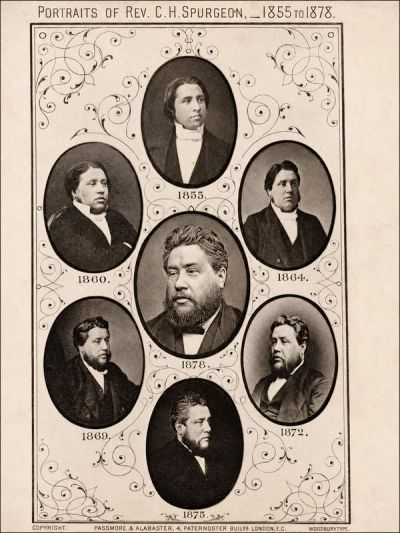
Set of portraits issued by Passmore and Alabaster
Salvation Army formally adopted its name.
Yellow fever epidemic struck the Mississippi Valley and U.S. South.
Electric lighting was demonstrated and adopted in parts of London, anticipating major changes in urban life.
Spurgeon preaches to a crowd of approximately 20,000 people at Rothesay, Isle of Bute, Scotland.
The girls' wing of the orphanage was inaugurated, Mrs. Hillyard giving the first £50 and Mr. Spurgeon the second £50.
Thomas Edison demonstrated a practical incandescent light bulb.
Son Charles accepted the pastorate at South Street, Greenwich, at age 23.
Spurgeon completes his twenty-fifth year as pastor of the Metropolitan Tabernacle.
Mark Twain attends a service at the Metropolitan Tabernacle to hear Spurgeon preach.
The 1880s brought both mature influence and serious conflict. Spurgeon’s ministry remained vast, and he completed major literary and institutional work, including The Treasury of David. Yet this decade was dominated by the Downgrade Controversy, in which he opposed theological decline, resigned from the Baptist Union, and endured painful criticism for his stand.
Gladstone became British prime minister again after Liberal election victory.
James A. Garfield elected U.S. president.
Charles and Susannah move from Helingsburgh House to Westood
Nonconformists gained the right to bury their dead in public graveyards without Anglican burial rites.
The First Boer War began between the British Empire and Boer settlers in South Africa.
President James A. Garfield assassinated.
Thomas Spurgeon is accepted as pastor of Wellesley Baptist Church, which had been renamed Auckland Tabernacle, in Auckland, New Zealand.
Booker T. Washington's Tuskegee Institute founded.
Metropolitan Tabernacle membership numbered about 5,500.
The Spurgeons celebrate their 25th wedding anniversary.
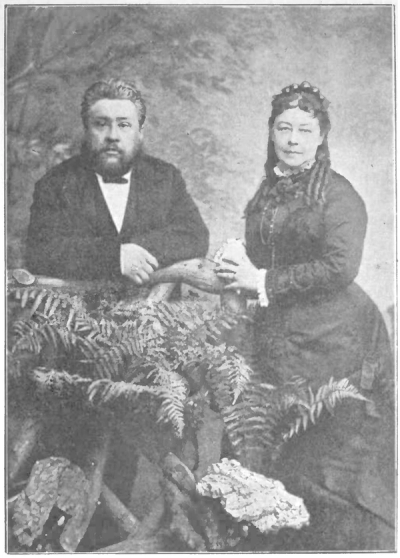
Silver Wedding Portrait
Triple Alliance formed among Germany, Austria-Hungary, and Italy.
The Salvation Army begins expanding beyond Britain, including in North America
Krakatoa erupted in one of the most destructive volcanic events in recorded history.
Spurgeon's sermons are transmitted by telegraph to Boston, Chicago, Philadelphia, and St. Louis.
Spurgeon preached “The Best War Cry,” one of his sermons opposing slavery and defending human dignity.
The first Orient Express service ran from Paris toward Constantinople, symbolizing expanding European rail travel.
International Meridian Conference adopted Greenwich as prime meridian.
The Berlin Conference opened, beginning formal European negotiations over the partition of Africa.
The Third Reform Act extended voting rights in the United Kingdom to many agricultural workers.
A Jubilee Celebration is held at the Metropolitan Tabernacle to celebrate Spurgeon's 50th birthday.
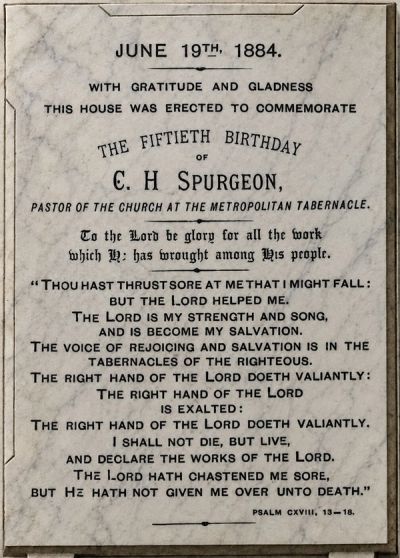
COPY OF MARBLE SLAB AND INSCRIPTION ON JUBILEE HOUSE.
Final volume of The Treasury of David published.
Karl Benz built a gasoline-powered automobile, an important step toward the modern motor car.
Coca-Cola created in Atlanta.
The Metropolitan Tabernacle continued operating a network of evangelistic and benevolent ministries connected to Spurgeon’s church.
The Statue of Liberty was dedicated in New York Harbor.
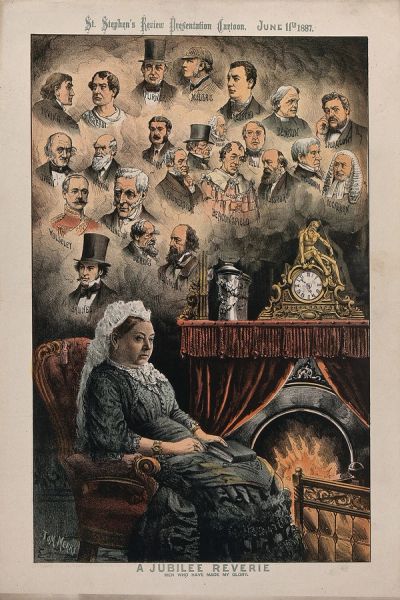
Queen Victoria’s Golden Jubilee celebrated fifty years of her reign. This image features Spurgeon in the upper right as she reflects on the notable figures during her reign
Augustus Hopkins Strong and John D. Rockefeller spend two hours with Spurgeon and donate funds for the Stockwell Orphanage.
The Downgrade Controversy commences with the publication of the first of two articles in The Sword & Trowel magazine.
Spurgeon officially withdraws from the Baptist Union.
National Geographic Society founded.
Spurgeon withdraws from the London Baptist Association.
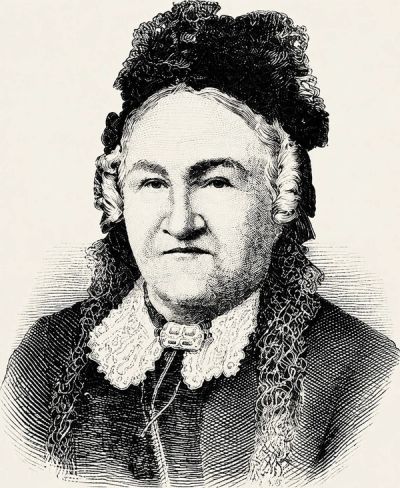
Baptist Union Council votes to censure Spurgeon. He wrote in the February issue of Sword and Trowel "I do not complain of the censure of the Council, or feel the least care about it. But was this the intent of its loving resolution? Is this the claw which was concealed by the velvet pad of its vote to send four doctors of divinity to me 'to deliberate how the unity of the denomination can be maintained in truth, and love, and good works'?"
Spurgeon's mother, Eliza Spurgeon, dies. "Never could it be possible for any man to estimate what he owes to a godly mother." — CH Spurgeon
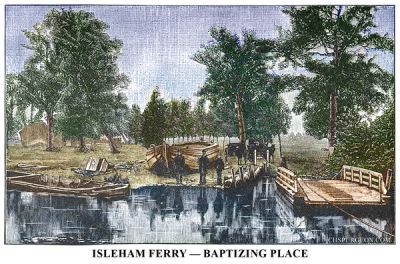
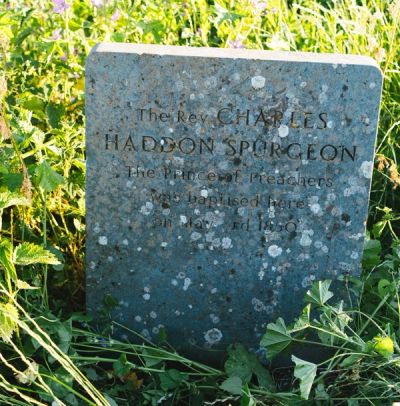
Stone laid at Isleham schoolroom commemorating W. W. Cantlow baptizing Spurgeon at Isleham Ferry on 3 May 1850.
15-year-old Oswald Chambers is converted after hearing Spurgeon preach.
Eiffel Tower opened for the Paris Exposition.
Johnstown Flood devastated Pennsylvania.
Revisited Stambourne and recalled childhood memories at the old manse.
The London Dock Strike drew public attention to labor conditions among casual workers in the city.
The 1890s were Spurgeon’s final years. Weakened by illness and the strain of decades of ministry, he revisited Stambourne, preached his final sermon at the Metropolitan Tabernacle, and spent his last months in Menton, France. He died on January 31, 1892, leaving behind a legacy centered on preaching Christ, serving the church, and calling sinners to the gospel.
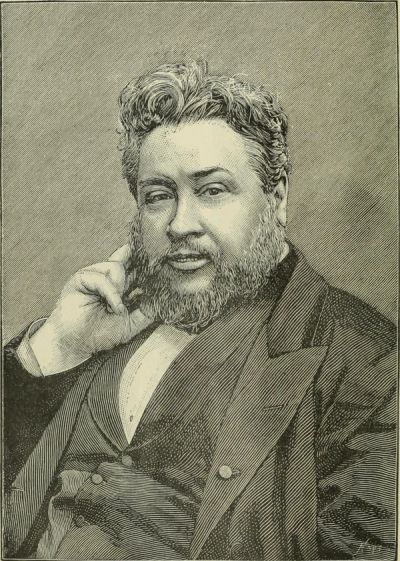
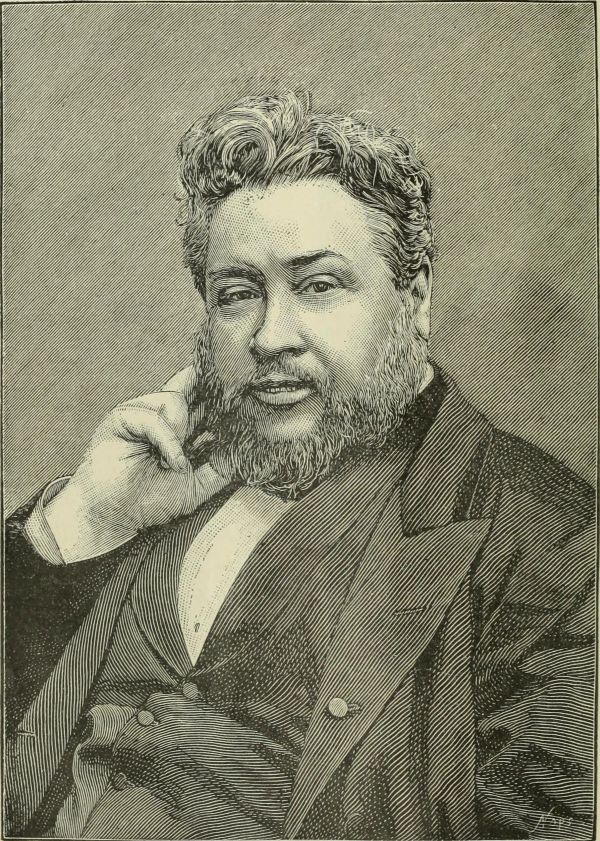
An engraving of CH Spurgeon from 1890
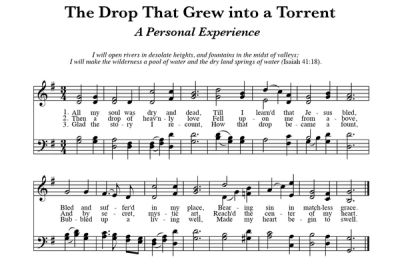
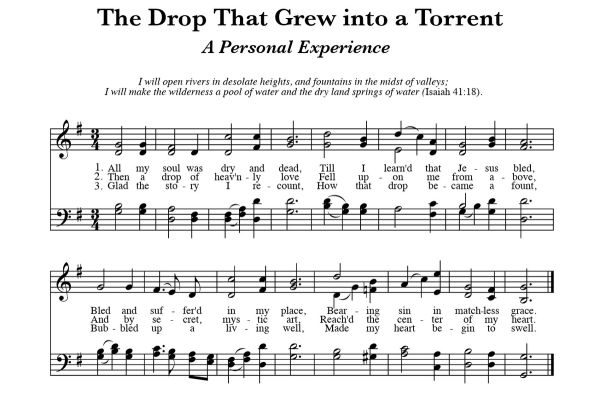
Spurgeon wrote his final hymn "The Drop That Grew Into a Torrent," an autobiographical hymn recounting his encounter with Christ.
Wounded Knee Massacre occurred in South Dakota.
The Forth Bridge opened in Scotland, becoming a major achievement of Victorian engineering.
While resting in Mentone, Spurgeon worked on a commentary on Matthew. It would be published as The Gospel of the Kingdom after his death.
Basketball invented by James Naismith.
Free elementary education introduced in England and Wales.
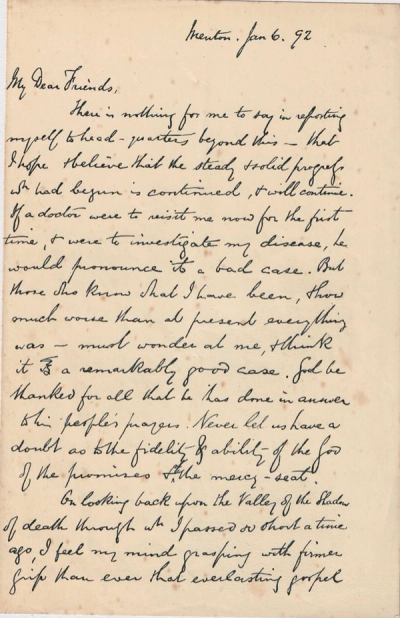
Spurgeon writes to E. H. Ellis, "Good bye, Ellis; you will never see me again, this fight is killing me."
William Gladstone writes to Susannah Spurgeon expressing sympathy and admiration for Charles Spurgeon.
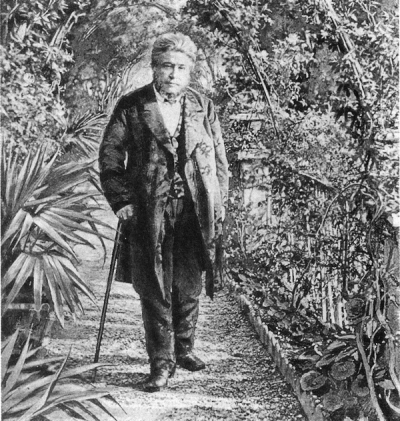
Spurgeon departs for Mentone, France, for the final time.
Gladstone became British prime minister for the fourth time.
By 1892, the Pastors' College had trained 900 students who baptized over 100,000 people since 1865.
At the end of Spurgeon’s ministry, Metropolitan Tabernacle membership stood at 5,311
Ellis Island opens as a reception station for immigrants to the U.S.
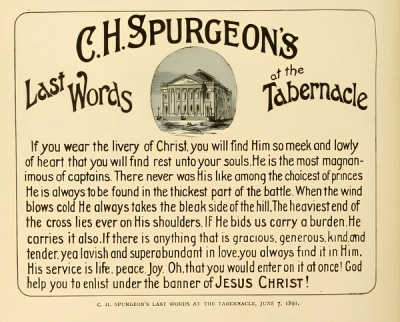
Spurgeon speaks his final public words on New Year's Day in Mentone, France.
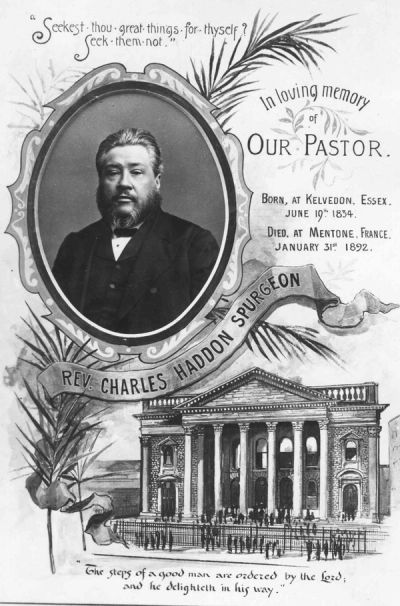
57-year-old Spurgeon passes away at the Hotel Beau-Rivage in Mentone, France
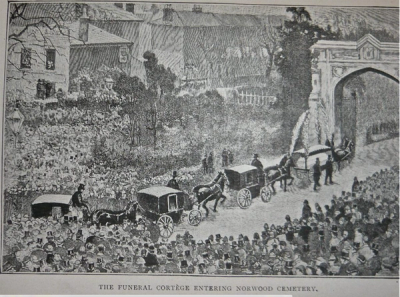
Funeral procession / interment at Norwood Cemetery.
Spurgeon's commentary on Matthew, The Gospel of the Kingdom, is completed by Susannah and published.
The Independent Labour Party was founded in Bradford, England.
New Zealand’s Electoral Act gave women the vote in parliamentary elections.
The World's Fair is held in Chicago, Illinois.
Thomas Spurgeon officially becomes pastor at the Metropolitan Tabernacle.
Booker T. Washington delivered the Atlanta Exposition Address.
Wilhelm Röntgen discovered X-rays, a major development in medical science.
The Klondike Gold Rush began after gold was discovered in the Yukon.
The first modern Olympic Games are held in Athens, Greece.
Having been prepared by Susannah Spurgeon and his private secretary Joseph Harrald, a multi-volume autobiography of CH Spurgeon begins to be published.
Queen Victoria’s Diamond Jubilee marked sixty years of her reign.
C. S. Lewis was born in Belfast, later becoming a major Christian writer and apologist.
The Spanish-American War was fought between Spain and the United States.
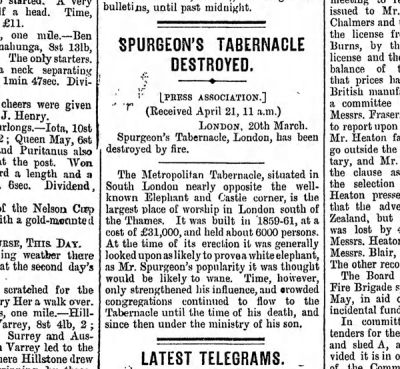
The Metropolitan Tabernacle was destroyed by fire.
The Treaty of Paris ended the Spanish-American War.
The Gideons International was founded in Janesville, Wisconsin.
The Second Boer War began in South Africa.
Spurgeon’s influence only grew after his death in 1892. His sermons, books, college, orphanage, and pastoral example continued to shape churches and ministers around the world. Remembered above all as the “Prince of Preachers,” his lasting legacy rests not merely in the size of his ministry, but in his lifelong commitment to proclaiming Christ, defending the gospel, and serving the church with conviction and compassion.
Thomas Spurgeon reopens the Metropolitan Tabernacle after it had been destroyed by fire. It is identical to the prior design and is opened debt free.
Guglielmo Marconi received the first transatlantic wireless signal.
Queen Victoria dies on the Isle of Wight, ending her 63-year reign; her son, Albert Edward, becomes King Edward VII.
U.S. President William McKinley died after being shot by an assassin.
The coronation of Edward VII and Alexandra took place at Westminster Abbey.
John Spurgeon, Charles H. Spurgeon’s father, died at Croydon.
The Ford Motor Company was founded in Detroit.
The Wright brothers achieved the first powered, controlled airplane flight at Kitty Hawk.
The first Tour de France was held.
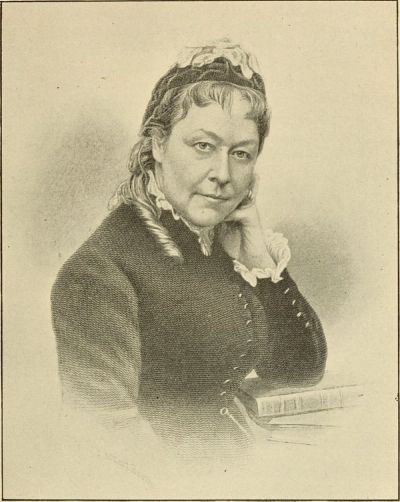
Susannah Spurgeon dies.
The Russo-Japanese War began.
The Welsh Revival began, drawing international attention to evangelical revival in Wales.
Spurgeon's library of nearly 6,000 books is sold to the Missouri Baptist General Association for 50 cents per volume. It was housed at William Jewell College until purchased by Midwestern Theological Seminary in Kansas City, MO.
3,000th consecutive Spurgeon sermon issued August 9th, 1906
A major earthquake and fire devastated San Francisco.
Dietrich Bonhoeffer was born in Breslau.
Son Tom’s health declines, A. G. Brown installed as pastor
Henry Ford introduces his Model T.
Spurgeon's student Thomas L. Johnson publishes his biography, Twenty-Eight Years a Slave.
Construction begins on the R.M.S. Titanic in Belfast, Northern Ireland.
American A.C. Dixon assumes pastorate of Metropolitan Tabernacle
George V is crowned king of the United Kingdom.
The Titanic sinks after striking an iceberg on her maiden voyage
Archduke Franz Ferdinand is assassinated in Sarajevo.
Britain declares war on Germany after Germany invades Belgium.
German U-boat sinks RMS Lusitania.
3,500th sermon in print, marking 61 continuous years of printing Spurgeon sermons
Thomas Spurgeon dies
Spurgeon's sermons stopped being published in May 1917 due to a paper shortage from World War 1
He being dead yet speaketh · 1917
The Spurgeon Timeline
Heritage
Spurgeon’s life was rooted in a Nonconformist and Puritan heritage, and his grandfather James carried that legacy into pastoral ministry at Stambourne. Before Charles was born, the convictions that would shape him—love for evangelical preaching, distrust of religious compromise, and reverence for the old Puritan divines—were already part of his family’s spiritual inheritance.
Ancestor Job Spurgeon of Dedham had goods seized for attending a Nonconformist meeting.
Job Spurgeon imprisoned in Chelmsford jail for religious convictions.
James Spurgeon, Charles H. Spurgeon’s grandfather, born at Halstead, Essex.
Lewis and Clark set off from St. Louis in search of a water route connecting the Missouri and Columbia rivers.
James Spurgeon began ministering at Clare, Suffolk, before moving to Stambourne.
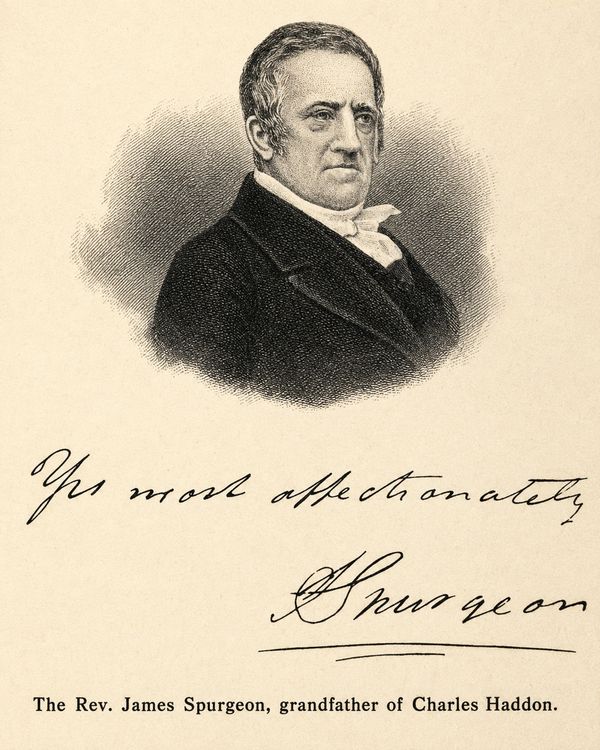
Isaac Backus, Baptist pioneer of American religious liberty, dies.
James Spurgeon accepted pastorate at Independent Church, Stambourne.
John Spurgeon, Charles H. Spurgeon’s father, born at Clare, Suffolk.
Ann and Adoniram Judson sail for India.
The Baptist Union of Great Britain is founded.
1830s
Charles Haddon Spurgeon was born on June 19, 1834. As a small child, he was sent to live with his grandparents in Stambourne, where his grandfather’s preaching, the rural setting, and early exposure to Puritan books began shaping the mind and soul of the future preacher.
Susannah Thompson, Spurgeon's future wife, is born.
Charles Haddon Spurgeon, the eldest of seventeen children, is born in Kelvedon, Essex.
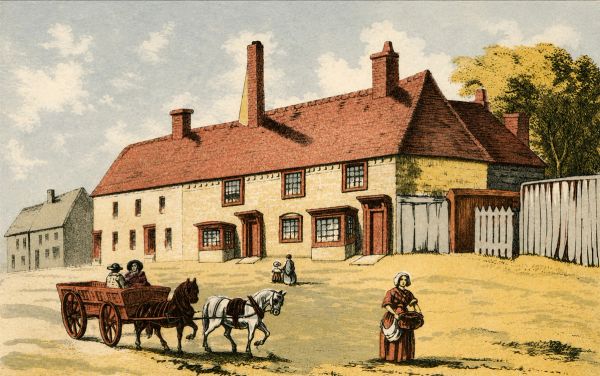
Birthplace of CH Spurgeon
Spurgeon is baptized as an infant by his grandfather, James Spurgeon, in Stambourne.
Spurgeon's parents move to Colchester while Spurgeon moves to Stambourne to live with his grandfather, discovering a library of Puritan works in the attic. Read about these formative years in 'Memories of Stambourne,' published in 1891.
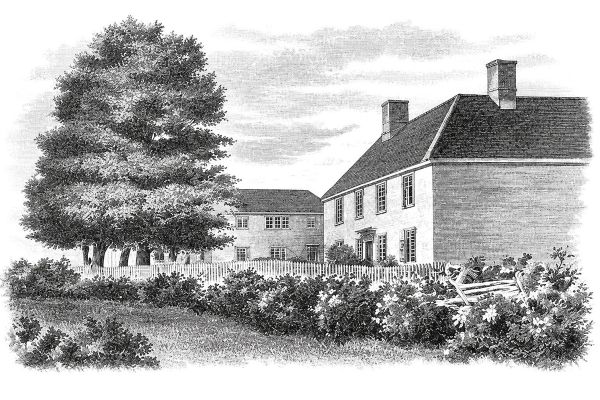
The Old Manse and Meeting House
1840s
The 1840s were years of childhood formation and spiritual awakening. Back in his parents’ home, Spurgeon was deeply influenced by his mother’s prayers and teaching, while also proving to be a bright and serious student. By the end of the decade, he was studying near Cambridge and struggling intensely with guilt, sin, and his need for salvation.
A Christmas Carol by Charles Dickens was published.
Spurgeon's earliest known writing, a handmade magazine entitled Home Juvenile Society, is written in Colchester.
Spurgeon attends All Saints' Agricultural College, Maidstone, Kent.
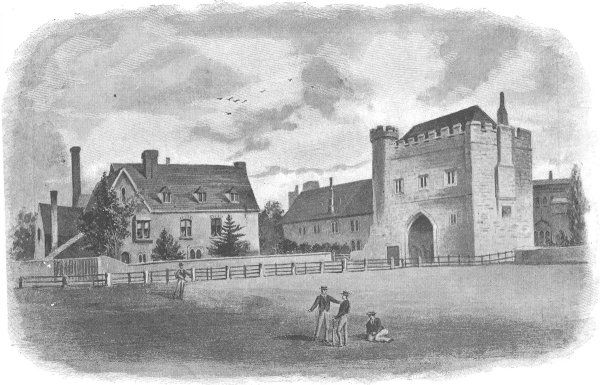
Moved to Newmarket, Cambridgeshire, to work as an usher and teacher at a school run by Mr. John Swindell
Spurgeon completes the 295-page handwritten essay "Antichrist and Her Brood; Or, Popery Unmasked."
This item is held at the Spurgeon Library in Kansas City
Charles Spurgeon delivered first public speech at a missionary meeting.
1850s
On a cold January morning in 1850, Spurgeon entered a primitive Methodist chapel seeking shelter and left with his soul transformed. Within months he was preaching. Within a few years, he was drawing thousands of hearers in London.
Compromise of 1850 attempted to settle U.S. disputes over slavery and territories.
CH Spurgeon was converted to faith in Christ. This took place after hearing Isaiah 45:22 preached at the Primitive Methodist Artillery Street Chapel, Colchester.
Admitted to church membership at Newmarket.
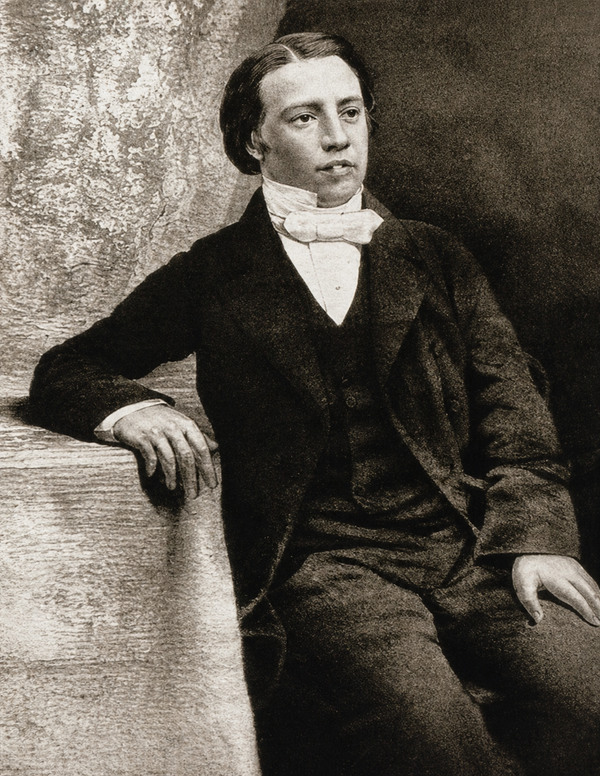
Wrote final letter to his father on the subject of baptism before being baptized.
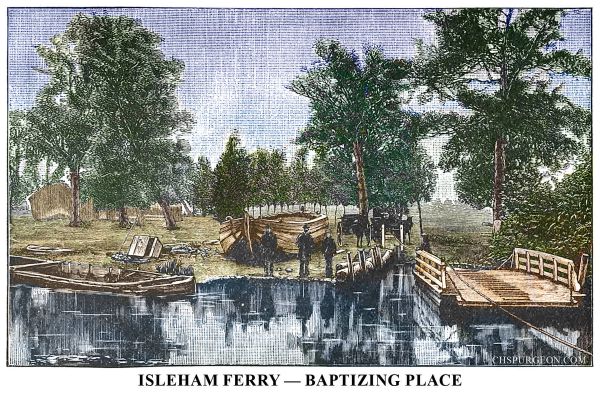
Spurgeon moves from Newmarket to Cambridge.
Spurgeon is received as a member of St. Andrew's Street Baptist Chapel in Cambridge. He wrote his mother, saying "May my future relation with them, whether brief or protracted, be for the glory of Jesus Christ!"
Great Exhibition opened at the Crystal Palace in London.
Louis-Napoleon Bonaparte carried out a coup in France.
Moved to Cambridge to become usher under Mr. Leeding.
The First Sermon Charles Spurgeon Ever Preached. At just 16 years old, Charles Spurgeon was tricked into delivering his first very first sermon at a cottage in Teversham
Charles Spurgeon delivers his first sermon at Waterbeach Baptist Chapel. He would be asked to return and, before long, would become their pastor.
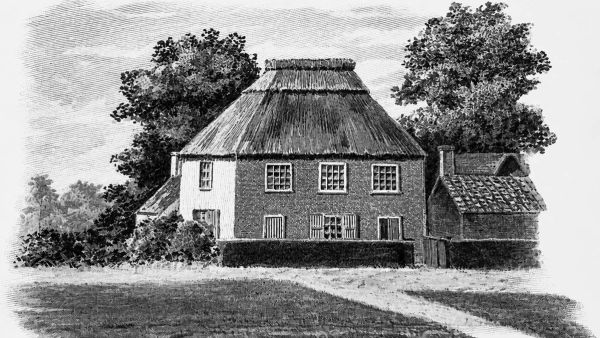
Herman Melville publishes Moby Dick.
Uncle Tom’s Cabin published and became a major antislavery novel.
Spurgeon misses his interview with Joseph Angus, tutor of Stepney College. He ultimately decides not to pursue formal education.
Crimean War began between Russia and the Ottoman Empire, soon drawing in Britain and France.
Waterbeach Tracts began publication.
The Crimean War begins.
Spurgeon first preached at New Park Street Chapel on Sunday, December 18, 1853, when he was just nineteen. His morning sermon was modestly attended, but by evening word had spread and the congregation was much larger. The impact was immediate: the church soon invited him to preach again, then to supply the pulpit, and within months called him as pastor.
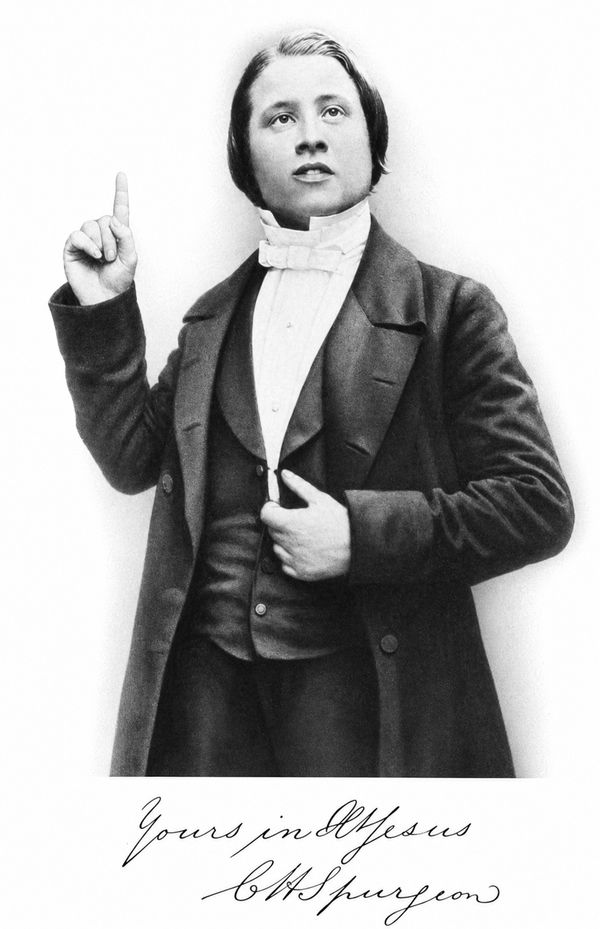
Broad Street cholera outbreak in London
Charge of the Light Brigade took place during the Battle of Balaclava.
Spurgeon meets George Müller for the first time.
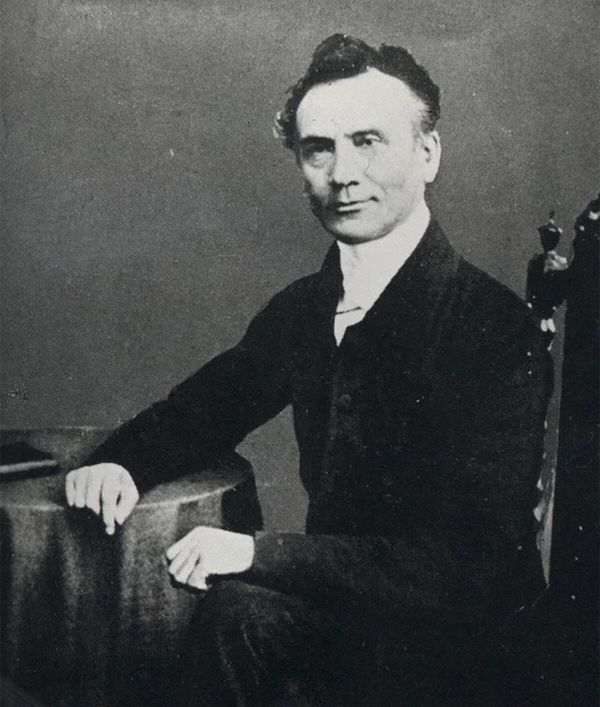
As cholera swept through London, Spurgeon ministered extensively to the sick and dying, offering pastoral care and gospel hope amid the crisis.
Missionary Hudson Taylor arrives in China.
New Park Street Church formally invited Spurgeon to become its pastor.
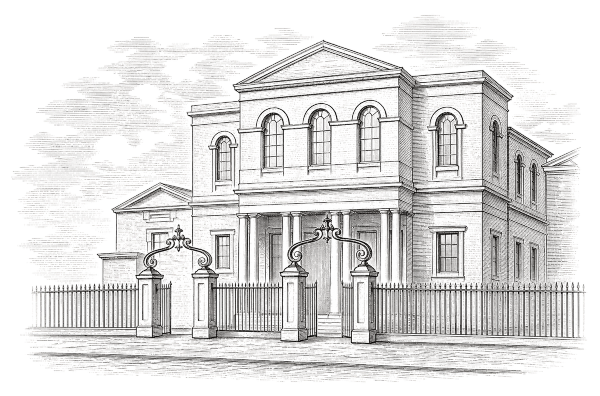
The Crystal Palace opens in its new location in Sydenham.
Spurgeon proposes to Susannah Thompson in her grandfather's garden.
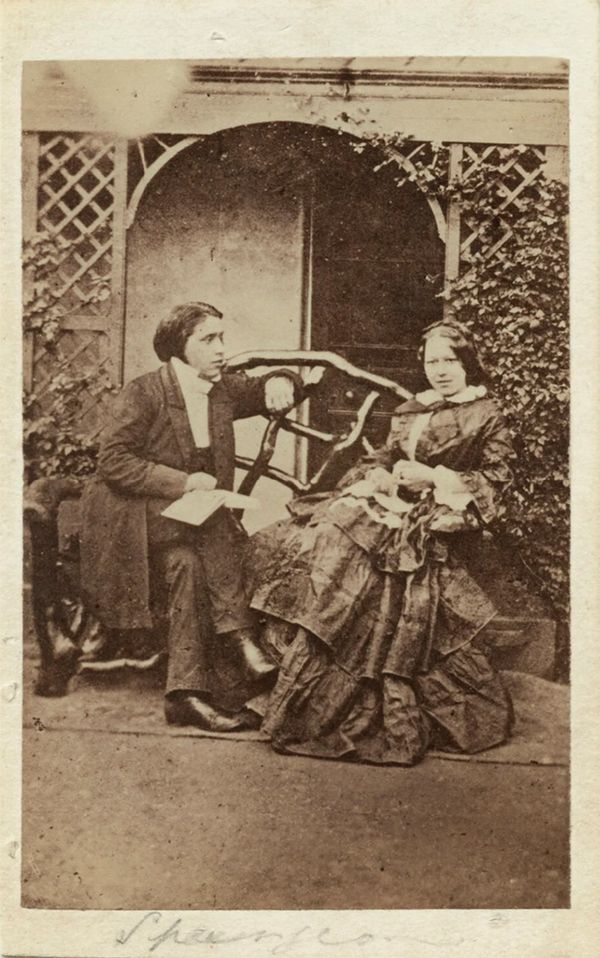
A caricature titled “Catch ’em alive, O!” appeared, illustrating early public attention and criticism of Spurgeon.
Spurgeon publishes his first volume of sermons in the New Park Street Pulpit, with later sermons published as The Metropolitan Tabernacle Pulpit; the publication continued until May 10, 1917.
Thomas Medhurst begins studying under Spurgeon's supervision, the beginnings of the Pastors' College.
Spurgeon preaches for the first time at Exeter Hall, the Strand, London. It is sermon number 7, Christ Crucified, in Volume 1 of New Park Street Pulpit
Dwight L. Moody is converted to Christianity.
A newspaper critiques Spurgeon, saying that he "is a nine days’ wonder—a comet that has suddenly shot across the religious atmosphere. He has gone up like a rocket, and ere long will come down like a stick."
James Buchanan elected U.S. president.
Membership of New Park Street Chapel reaches 860.
Treaty of Paris ended the Crimean War.
Metropolitan Tabernacle Building Committee formed.
Spurgeon marries Susannah Thompson and embarks upon a ten-day honeymoon in Paris, France.
Preached at Stambourne for grandfather James Spurgeon’s fiftieth year in ministry.
Twin sons Charles and Thomas born in the Spurgeons’ first home on New Kent Road.
In the Surrey Gardens Music Hall disaster, seven people are killed and twenty-eight are injured; Spurgeon subsequently falls into a deep depression.
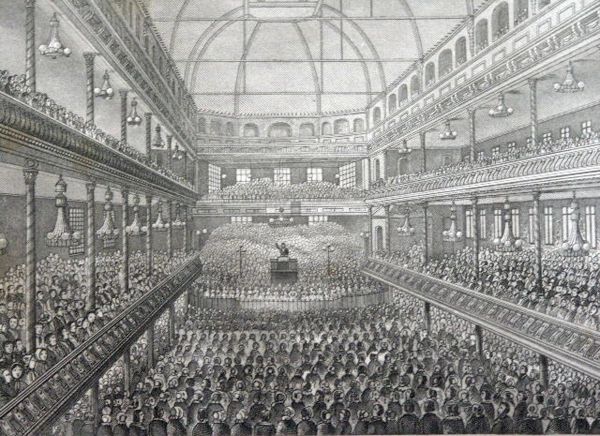
Returned to preaching after collapse caused by Surrey Gardens tragedy. It can be found in Volume 2 of the New Park Street Pulpit, titled The Exaltation of Christ.
Services recommenced at the Music Hall.
Atlantic telegraph cable efforts continued, anticipating later transatlantic communications.
B. J. Silverton is accepted as the second student of the Pastors' College.
Dred Scott decision deepened U.S. conflict over slavery.
First biographical sketch of Spurgeon by George John Stevenson published; it circulated in Britain and the United States.
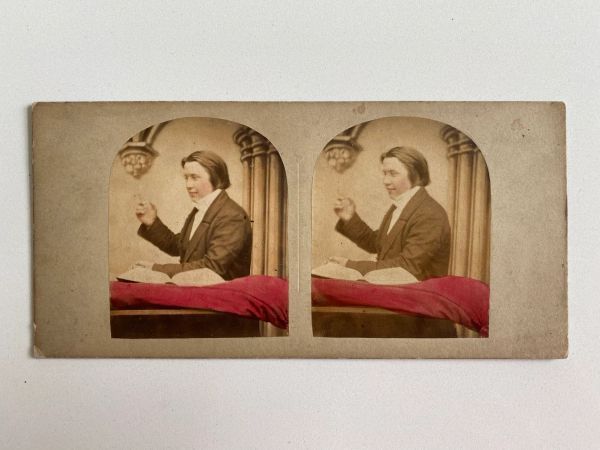
1857 C. H. SPURGEON Stereoview of a Very Young Spurgeon
Spurgeon preached to 23,654 people – his largest crowd ever – at The Crystal Palace.
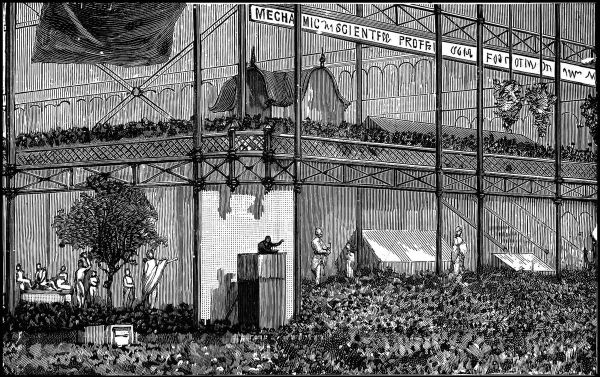
First transatlantic telegraph cable briefly transmitted messages.
Lincoln-Douglas debates took place in Illinois.
Spurgeon preaches at the Epsom Race Course to 10,000 people.
A makeshift structure collapses in Halifax, West Yorkshire, during Spurgeon's preaching; while there are no deaths, many are injured.
Spurgeon's first pulpit appearance in Ireland.
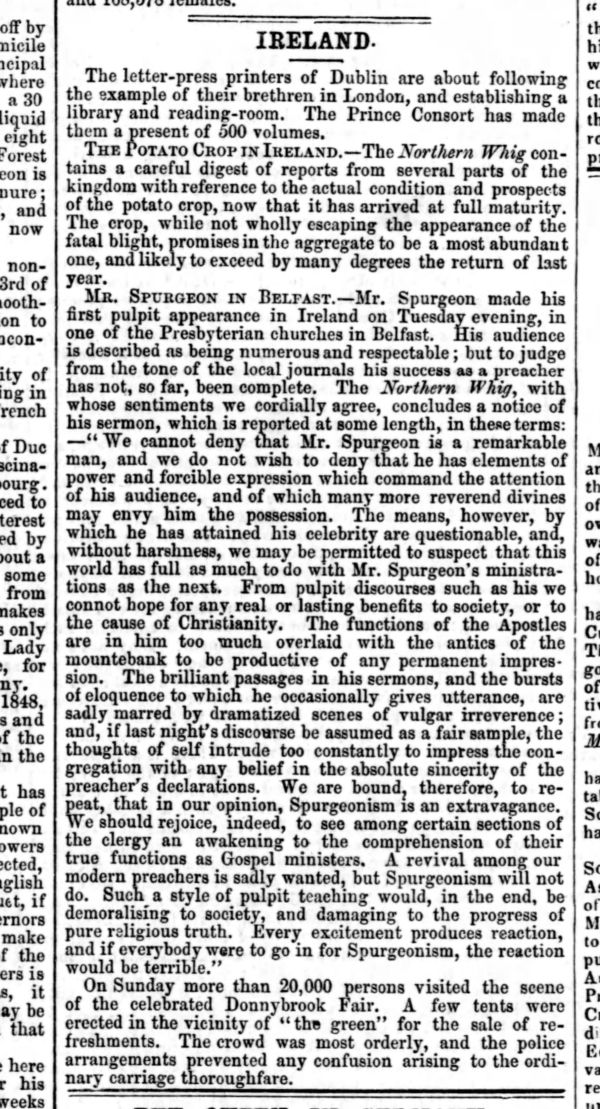
Cambridge Weekly News, August 28, 1858
Big Ben first rang from the Palace of Westminster clock tower.
Darwin published On the Origin of Species.
An architecture competition is held at the Newington Horse and Carriage Repository for renderings of the proposed Metropolitan Tabernacle.
Spurgeon preaches under a tree at Clapham Common to 10,000 people.
Foundation stone of the Metropolitan Tabernacle is laid
South Carolina fugitive slave John Andrew Jackson shares the platform with Spurgeon at the Metropolitan Tabernacle, and consequently Spurgeon's sermon sales drop in the United States.
Last service in Surrey Gardens Music Hall after the venue was made available on Sunday afternoons for secular entertainment, which Spurgeon regarded as profaning the Sabbath day
1860s
The Metropolitan Tabernacle opened its doors in 1861. He expanded his preaching, writing, pastoral work, and training of ministers through the Pastors’ College, while also developing ministries such as The Sword and the Trowel, colportage work, and the Stockwell Orphanage.
HMS Warrior, Britain’s first ocean-going ironclad battleship, launched.
Spurgeon in Calvin’s gown and pulpit at Geneva.
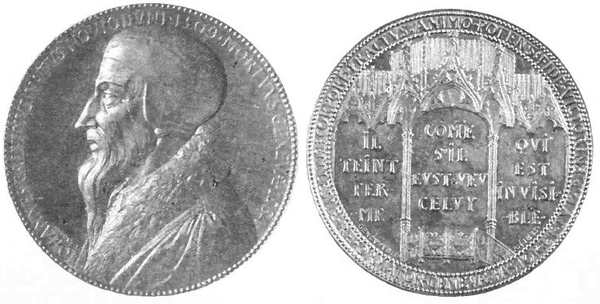
FACSIMILE OF CALVIN MEDAL PRESENTED TO MR. SPURGEON AT GENEVA
South Carolina seceded from the United States after Lincoln’s election.
Several volumes of Spurgeon's sermons are burned in Alabama because of his anti-slavery views.
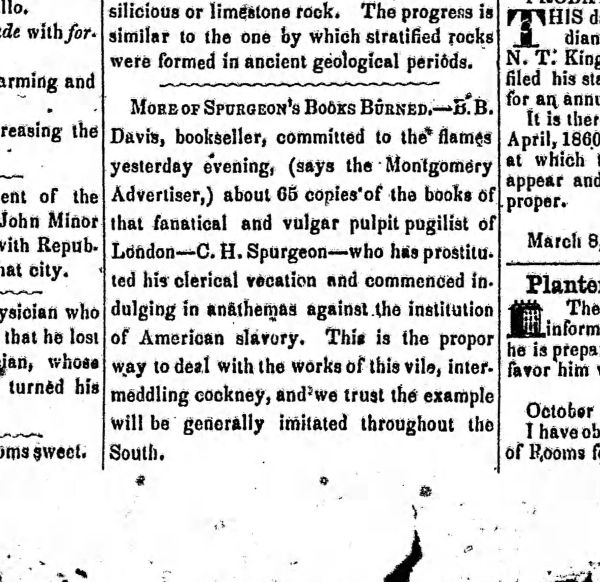
An article that appeared in the Clarke County Democrat, March 8 1860
Abraham Lincoln is elected the sixteenth President of the United States.
David Livingstone pens in his African diary "Very good" in regard to Spurgeon's sermon "Accidents, Not Punishments."
Prince Albert died, plunging Queen Victoria into mourning.
The Metropolitan Tabernacle is opened, debt free, with a congregation of 1,200 people.
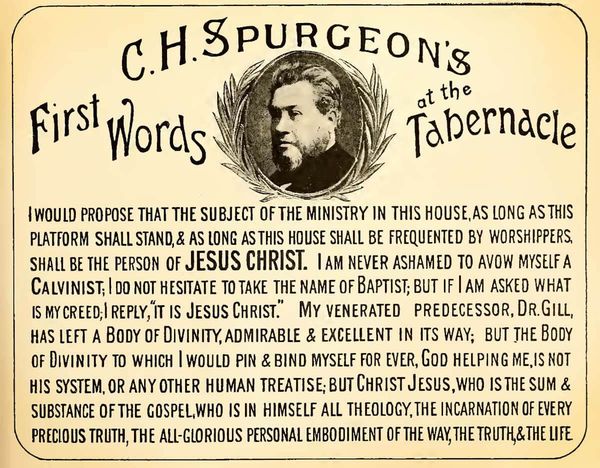
The U.S. Civil War begins with the attack on Fort Sumter.
Spurgeon delivers the lecture "On the Gorilla and Land he Inhabits." He used a stuffed gorilla on stage to playfully satirize Charles Darwin's evolutionary theories. He is mocked widely.
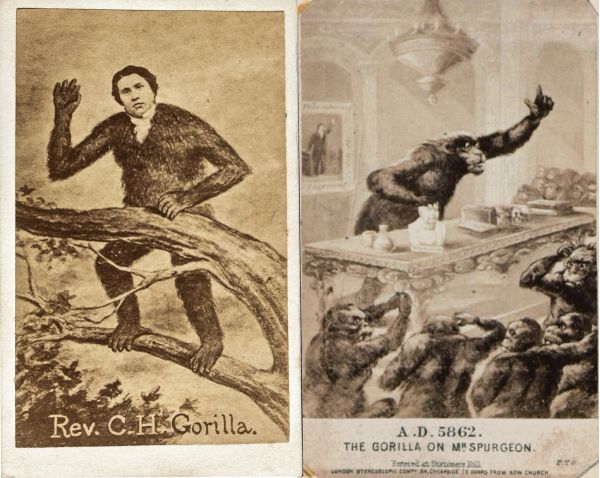
Carte de Visites mocking Spurgeon
Homestead Act opened western land to U.S. settlers.
Spurgeon Preaches to an open air crowd of 10,000
Battle of Gettysburg fought during the U.S. Civil War.
The Pastors' College has 66 students, and one million copies of Spurgeon's sermons are sold annually.
Tabernacle Membership reaches 2,500
Emancipation Proclamation took effect in the United States.
London Underground opened with the Metropolitan Railway.
First Geneva Convention established rules for wartime care of wounded soldiers.
James Spurgeon, grandfather of Charles, died in his eighty-eighth year.
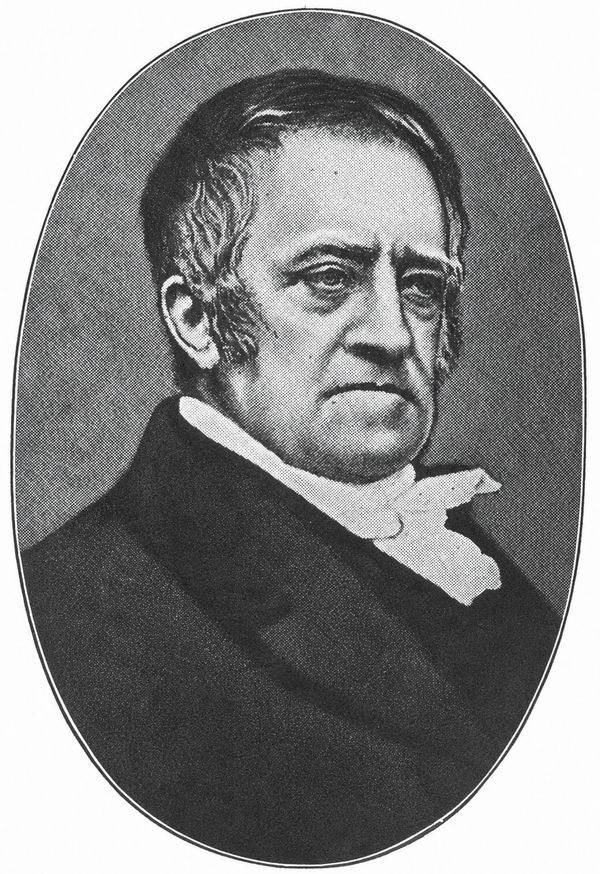
Spurgeon preaches his controversial "Baptismal Regeneration" sermon, which sells 300,000 copies by the end of the year and a half million copies by the end of the century.
Preached at the Primitive Methodist Chapel in Colchester and pointed out the pew where he had been converted.
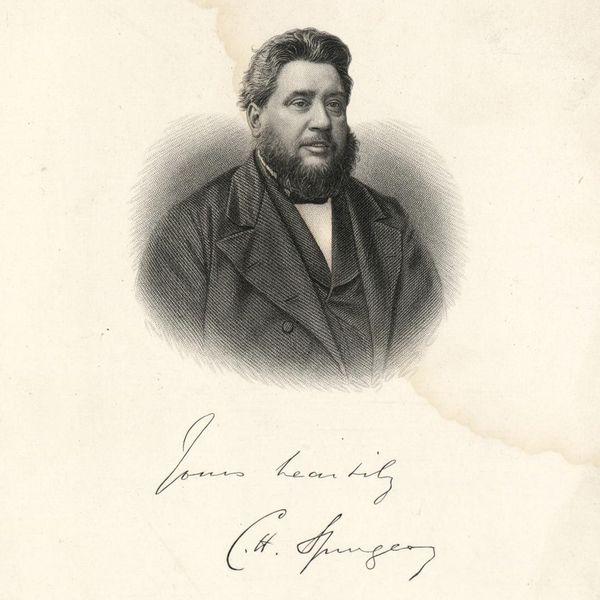
East London Christian Mission began, later becoming the Salvation Army.
Spurgeon withdraws from the Evangelical Alliance but later rejoins.
U.S. Civil War ended.
Began publishing The Sword and the Trowel.
Abraham Lincoln assassinated.
East London cholera outbreak occurred, one of the last major London cholera epidemics.
Metropolitan Tabernacle Colportage Association founded. Colporteurs distributed Bibles, tracts, and religious books from door to door.
Permanent transatlantic telegraph cable successfully connected Britain and North America.
Spurgeon published Our Own Hymn-book, a hymnal for the Metropolitan Tabernacle.
Plans for establishing an orphanage is publicly announced in The Sword and the Trowel after anonymous £20,000 gift.
D. L. Moody attended Spurgeon’s services for the first time.
United States purchased Alaska from Russia.
Sunday services held at Agricultural Hall during Tabernacle renovation from March 24 through April 21. Each service was reportedly attended by about 20,000.
First six orphan boys were housed temporarily while the Stockwell Orphanage buildings were being prepared.
Vernon J. Charlesworth accepted leadership of the Stockwell Orphanage after a prior headmaster withdrew.
Fourteenth Amendment ratified in the United States.
William Ewart Gladstone became British prime minister for the first time.
Susannah Spurgeon became an invalid, limiting her ability to hear her husband preach in person.
Spurgeon’s brother James became co-pastor of the Metropolitan Tabernacle.
Spurgeons Move to Helensburgh House
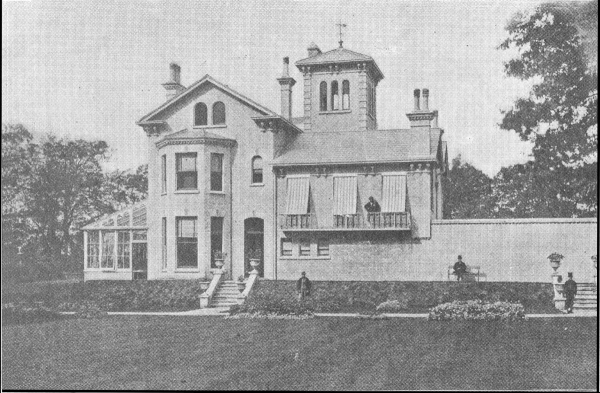
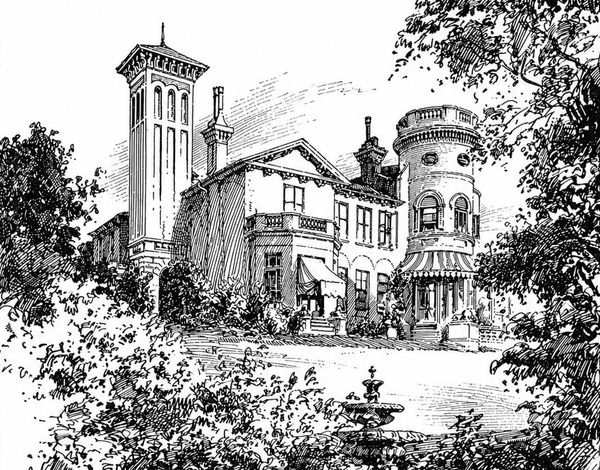
Back view of the new "Helensburge House," CH Spurgeon's third home after marriage. The preacher is seen standing upon the balcony.
First U.S. transcontinental railroad completed.
Irish Church Act disestablished the Church of Ireland.
Weekly Offering for the Pastors’ College reached exactly £1,869.
Stockwell Orphanage buildings completed; cost of £10,200 paid in full.
1870s
The 1870s were marked by steady expansion and exhausting labor. Spurgeon continued preaching to large congregations and printed sermons were selling 25,000 copies a week. His influence broadened, but his recurring illness and depression showed that his remarkable productivity came at a personal cost.
Elementary Education Act laid foundations for state education in England and Wales.
John A. Broadus publishes On the Preparation and Delivery of Sermons.
Spurgeon's sermons sell 25,000 copies per week.
Final university restrictions lifted for Nonconformists seeking degrees from Oxford and Cambridge.
Spurgeon visits Mentone, France, for relief from illness.
British census figures put the population of Great Britain at roughly 26 million.
The Great Chicago Fire kills roughly 300 people and causes over $200 million in damages.
D. L. Moody and Ira Sankey began evangelistic work in Britain, contributing to a major transatlantic revival movement.
George Müller continued expanding the Ashley Down orphan houses in Bristol, a ministry often associated with Spurgeon’s evangelical network.
Spurgeon is invited by Yale University to give the Lyman Beecher Lectures on Preaching, but he declines the invitation.
David Livingstone died in central Africa; one of Spurgeon’s printed sermons was later found among his possessions.
Foundation stone of the Pastors’ College building laid.
Benjamin Disraeli became British prime minister after the general election.
Pastors' College migrates to Temple Street in south London.
The Public Worship Regulation Act was passed in Britain amid controversy over ritualism in the Church of England.
Spurgeon's twin sons are baptized at the age of 18.
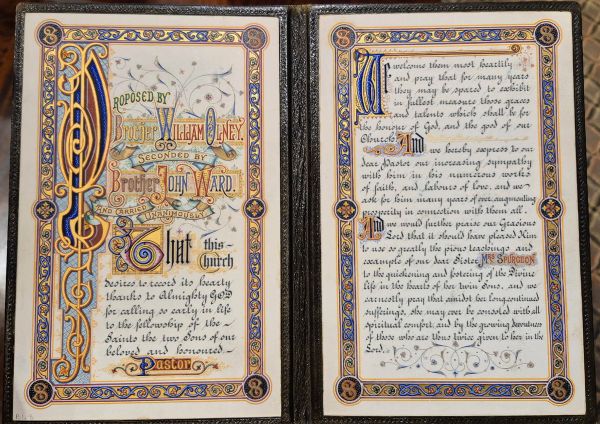
A commemoration given to Spurgeon from his church on the occasion of his sons' baptism. Housed at the Spurgeon Library
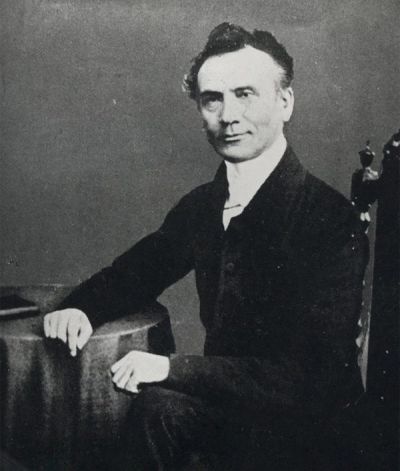
Spurgeon Portrait taken 1875
Civil Rights Act of 1875 passed in the United States.
Mrs. Spurgeon’s Book Fund inaugurated.
Public Health Act consolidated sanitary law in Britain.
Spurgeon publishes the first volume of Lectures to My Students.
Thomas L. Johnson, a former slave from Virginia, begins studies at the Pastors' College.
Queen Victoria was given the title Empress of India by the Royal Titles Act.
Samuel Clemens (Mark Twain) publishes The Adventures of Tom Sawyer.
Spurgeon publishes Commenting on Commentaries.
Alexander Graham Bell submits a patent for a method of transmitting sounds that would eventually become the telephone.
Hudson Taylor visits the Metropolitan Tabernacle for the third time.
The Redpath Lyceum Bureau in Boston offers Spurgeon $1,000 in gold for every lecture he will deliver in America, plus travel expenses. He declines.
Battle of the Little Bighorn took place.
Florence Nightingale writes to Charles Spurgeon expressing regret at his suffering and hope that his life may long be spared.
Queen Victoria proclaimed Empress of India at the Delhi Durbar.
A Crystal Palace fireworks display featured the Metropolitan Tabernacle and a fire portrait of C. H. Spurgeon.
G. Holden Pike publishes 'Seven Portraits with Reminiscences of Spurgeon’s life at Waterbeach and London.'
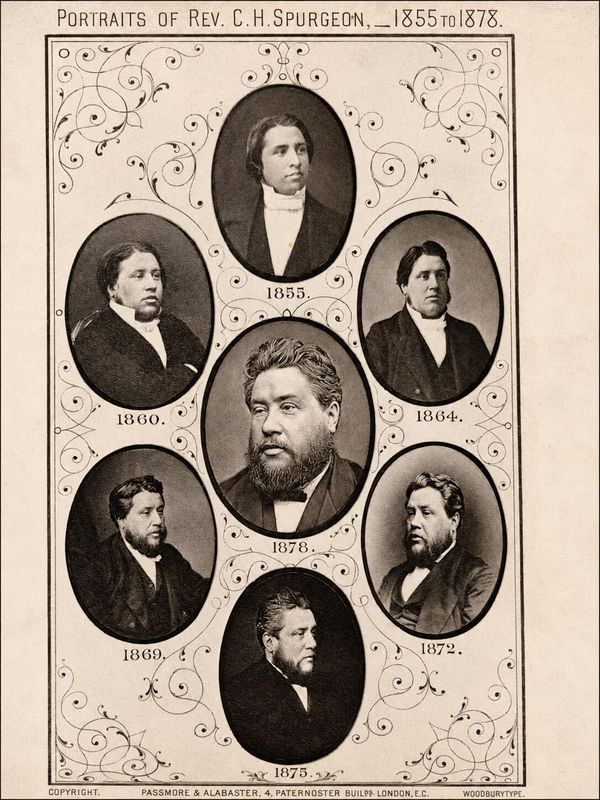
Set of portraits issued by Passmore and Alabaster
Salvation Army formally adopted its name.
Yellow fever epidemic struck the Mississippi Valley and U.S. South.
Electric lighting was demonstrated and adopted in parts of London, anticipating major changes in urban life.
Spurgeon preaches to a crowd of approximately 20,000 people at Rothesay, Isle of Bute, Scotland.
The girls' wing of the orphanage was inaugurated, Mrs. Hillyard giving the first £50 and Mr. Spurgeon the second £50.
Thomas Edison demonstrated a practical incandescent light bulb.
Son Charles accepted the pastorate at South Street, Greenwich, at age 23.
Spurgeon completes his twenty-fifth year as pastor of the Metropolitan Tabernacle.
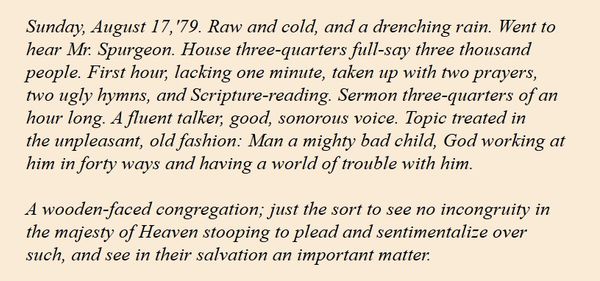
Mark Twain attends a service at the Metropolitan Tabernacle to hear Spurgeon preach.
1880s
The 1880s brought both mature influence and serious conflict. Spurgeon’s ministry remained vast, and he completed major literary and institutional work, including The Treasury of David. Yet this decade was dominated by the Downgrade Controversy, in which he opposed theological decline, resigned from the Baptist Union, and endured painful criticism for his stand.
Gladstone became British prime minister again after Liberal election victory.
James A. Garfield elected U.S. president.
Charles and Susannah move from Helingsburgh House to Westood
Nonconformists gained the right to bury their dead in public graveyards without Anglican burial rites.
The First Boer War began between the British Empire and Boer settlers in South Africa.
President James A. Garfield assassinated.
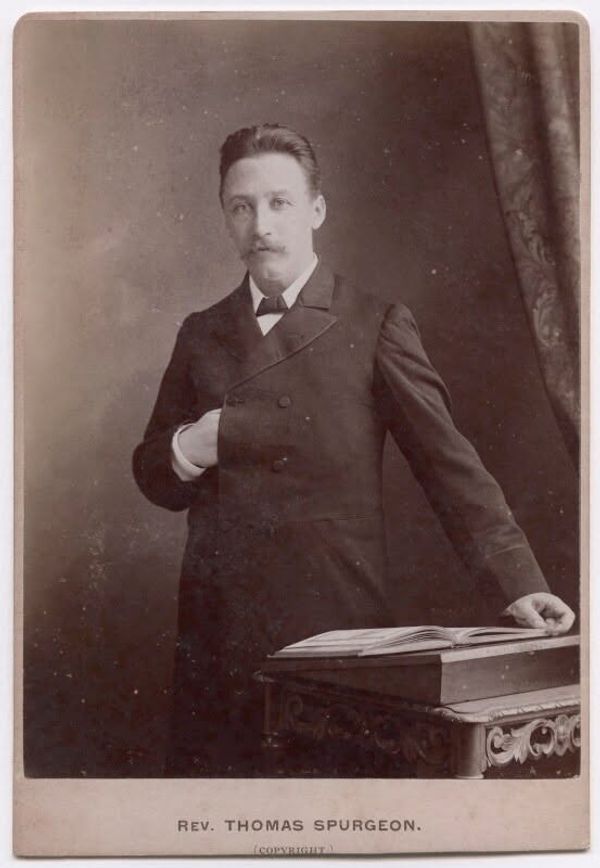
Thomas Spurgeon is accepted as pastor of Wellesley Baptist Church, which had been renamed Auckland Tabernacle, in Auckland, New Zealand.
Booker T. Washington's Tuskegee Institute founded.
Metropolitan Tabernacle membership numbered about 5,500.
The Spurgeons celebrate their 25th wedding anniversary.
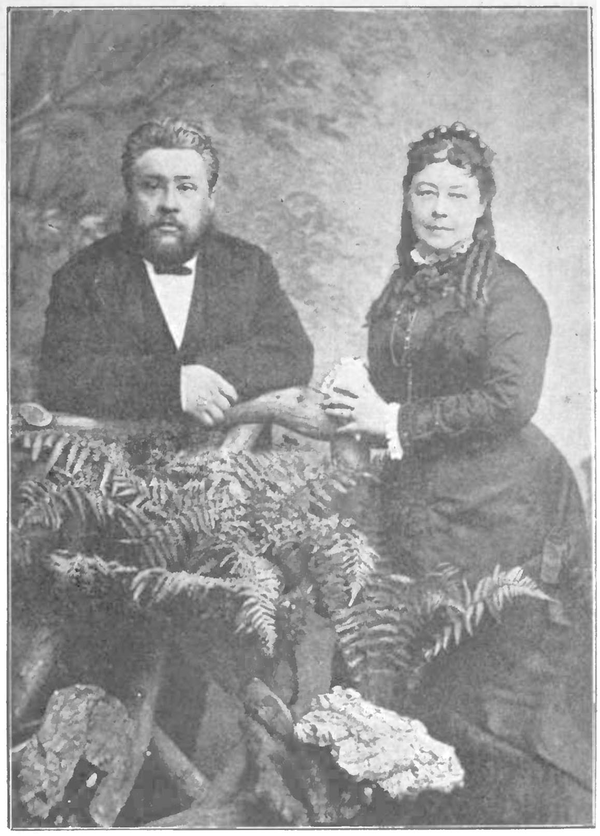
Silver Wedding Portrait
Triple Alliance formed among Germany, Austria-Hungary, and Italy.
The Salvation Army begins expanding beyond Britain, including in North America
Krakatoa erupted in one of the most destructive volcanic events in recorded history.
Spurgeon's sermons are transmitted by telegraph to Boston, Chicago, Philadelphia, and St. Louis.
Spurgeon preached “The Best War Cry,” one of his sermons opposing slavery and defending human dignity.
The first Orient Express service ran from Paris toward Constantinople, symbolizing expanding European rail travel.
International Meridian Conference adopted Greenwich as prime meridian.
The Berlin Conference opened, beginning formal European negotiations over the partition of Africa.
The Third Reform Act extended voting rights in the United Kingdom to many agricultural workers.
A Jubilee Celebration is held at the Metropolitan Tabernacle to celebrate Spurgeon's 50th birthday.
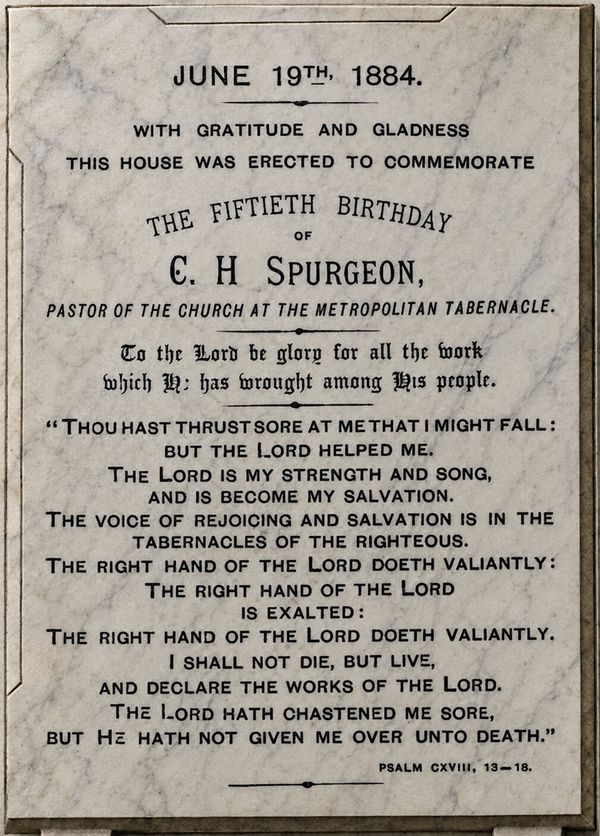
COPY OF MARBLE SLAB AND INSCRIPTION ON JUBILEE HOUSE.
Final volume of The Treasury of David published.
Karl Benz built a gasoline-powered automobile, an important step toward the modern motor car.
Coca-Cola created in Atlanta.
The Metropolitan Tabernacle continued operating a network of evangelistic and benevolent ministries connected to Spurgeon’s church.
The Statue of Liberty was dedicated in New York Harbor.
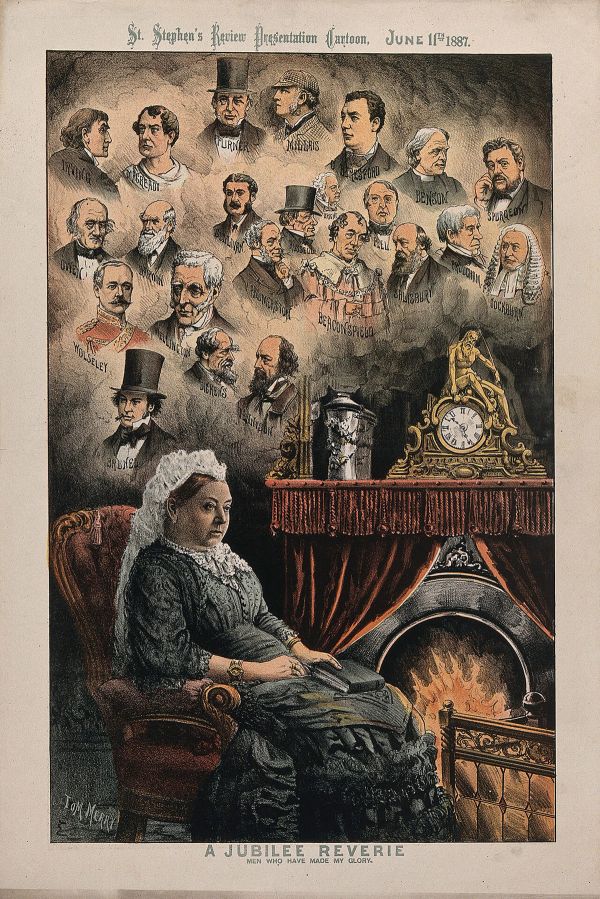
Queen Victoria’s Golden Jubilee celebrated fifty years of her reign. This image features Spurgeon in the upper right as she reflects on the notable figures during her reign
Augustus Hopkins Strong and John D. Rockefeller spend two hours with Spurgeon and donate funds for the Stockwell Orphanage.
The Downgrade Controversy commences with the publication of the first of two articles in The Sword & Trowel magazine.
Spurgeon officially withdraws from the Baptist Union.
National Geographic Society founded.
Spurgeon withdraws from the London Baptist Association.
Baptist Union Council votes to censure Spurgeon. He wrote in the February issue of Sword and Trowel "I do not complain of the censure of the Council, or feel the least care about it. But was this the intent of its loving resolution? Is this the claw which was concealed by the velvet pad of its vote to send four doctors of divinity to me 'to deliberate how the unity of the denomination can be maintained in truth, and love, and good works'?"
Spurgeon's mother, Eliza Spurgeon, dies. "Never could it be possible for any man to estimate what he owes to a godly mother." — CH Spurgeon
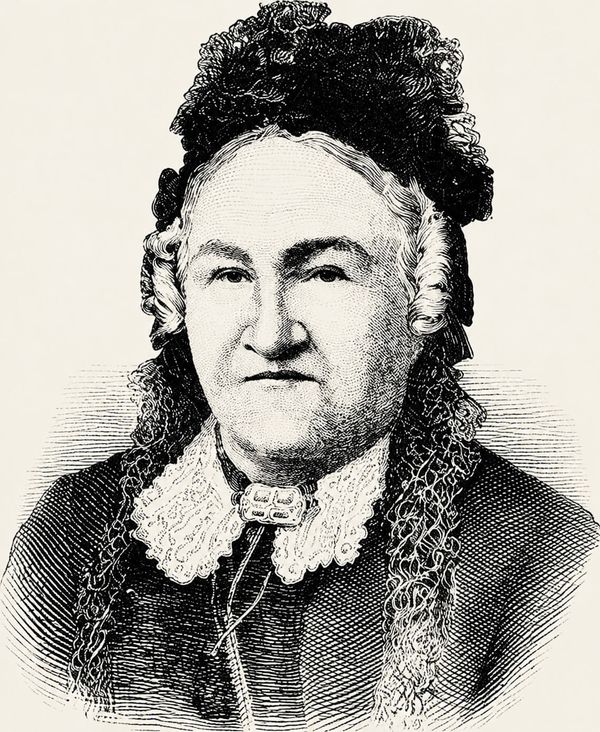
Stone laid at Isleham schoolroom commemorating W. W. Cantlow baptizing Spurgeon at Isleham Ferry on 3 May 1850.
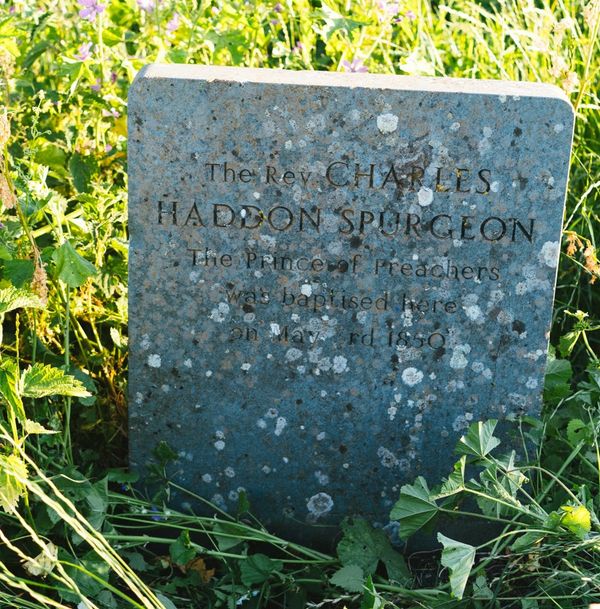
15-year-old Oswald Chambers is converted after hearing Spurgeon preach.
Eiffel Tower opened for the Paris Exposition.
Johnstown Flood devastated Pennsylvania.
Revisited Stambourne and recalled childhood memories at the old manse.
The London Dock Strike drew public attention to labor conditions among casual workers in the city.
1890s
The 1890s were Spurgeon’s final years. Weakened by illness and the strain of decades of ministry, he revisited Stambourne, preached his final sermon at the Metropolitan Tabernacle, and spent his last months in Menton, France. He died on January 31, 1892, leaving behind a legacy centered on preaching Christ, serving the church, and calling sinners to the gospel.
An engraving of CH Spurgeon from 1890
Spurgeon wrote his final hymn "The Drop That Grew Into a Torrent," an autobiographical hymn recounting his encounter with Christ.
Wounded Knee Massacre occurred in South Dakota.
The Forth Bridge opened in Scotland, becoming a major achievement of Victorian engineering.
While resting in Mentone, Spurgeon worked on a commentary on Matthew. It would be published as The Gospel of the Kingdom after his death.
Basketball invented by James Naismith.
Free elementary education introduced in England and Wales.
Spurgeon writes to E. H. Ellis, "Good bye, Ellis; you will never see me again, this fight is killing me."
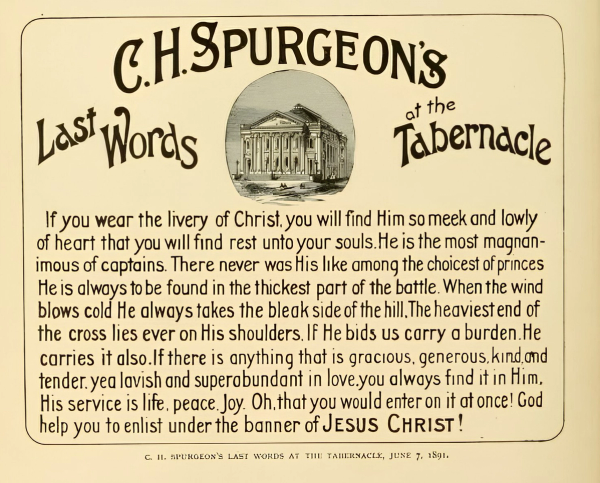
William Gladstone writes to Susannah Spurgeon expressing sympathy and admiration for Charles Spurgeon.
Spurgeon departs for Mentone, France, for the final time.
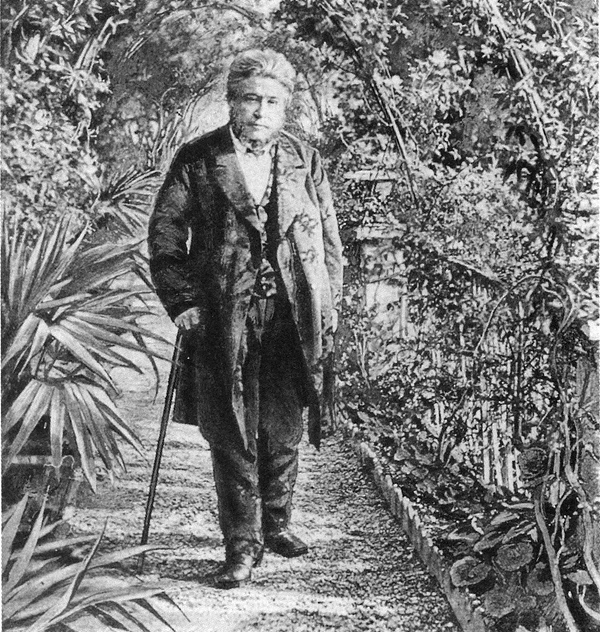
Gladstone became British prime minister for the fourth time.
By 1892, the Pastors' College had trained 900 students who baptized over 100,000 people since 1865.
At the end of Spurgeon’s ministry, Metropolitan Tabernacle membership stood at 5,311
Ellis Island opens as a reception station for immigrants to the U.S.
Spurgeon speaks his final public words on New Year's Day in Mentone, France.
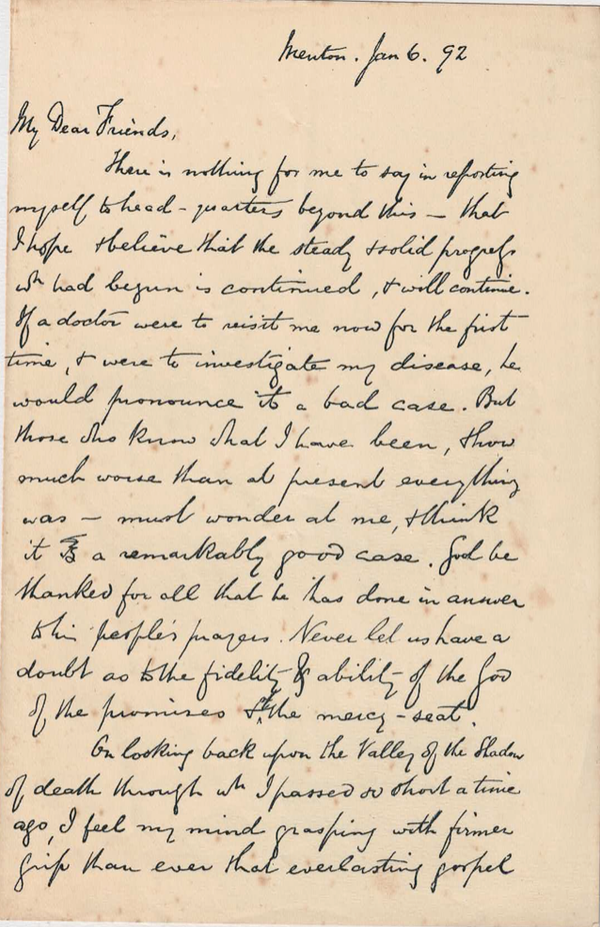
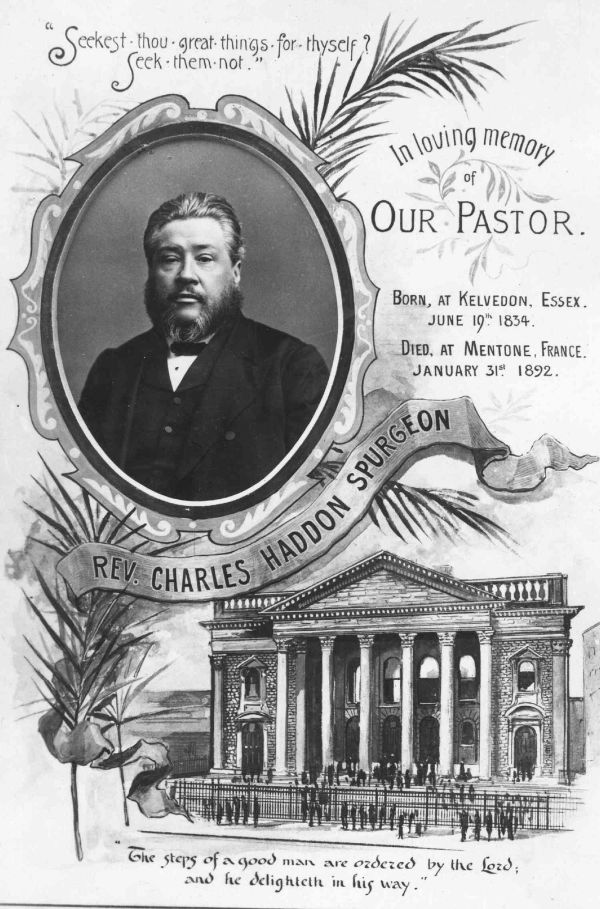
57-year-old Spurgeon passes away at the Hotel Beau-Rivage in Mentone, France
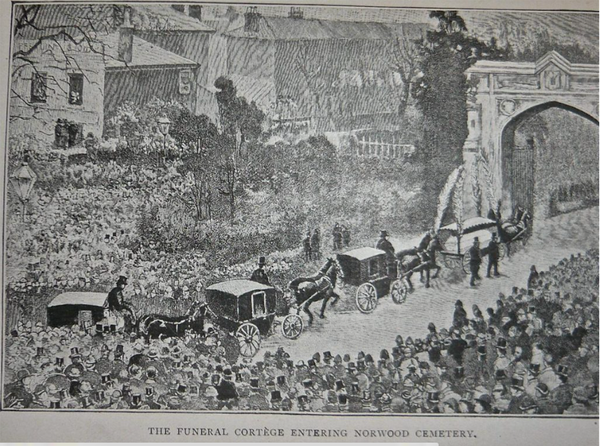
Funeral procession / interment at Norwood Cemetery.
Spurgeon's commentary on Matthew, The Gospel of the Kingdom, is completed by Susannah and published.
The Independent Labour Party was founded in Bradford, England.
New Zealand’s Electoral Act gave women the vote in parliamentary elections.
The World's Fair is held in Chicago, Illinois.
Thomas Spurgeon officially becomes pastor at the Metropolitan Tabernacle.
Booker T. Washington delivered the Atlanta Exposition Address.
Wilhelm Röntgen discovered X-rays, a major development in medical science.
The Klondike Gold Rush began after gold was discovered in the Yukon.
The first modern Olympic Games are held in Athens, Greece.
Having been prepared by Susannah Spurgeon and his private secretary Joseph Harrald, a multi-volume autobiography of CH Spurgeon begins to be published.
Queen Victoria’s Diamond Jubilee marked sixty years of her reign.
C. S. Lewis was born in Belfast, later becoming a major Christian writer and apologist.
The Spanish-American War was fought between Spain and the United States.
The Metropolitan Tabernacle was destroyed by fire.
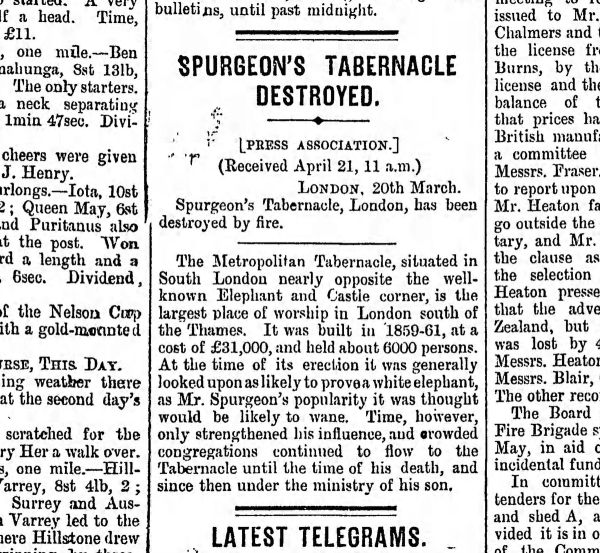
The Treaty of Paris ended the Spanish-American War.
The Gideons International was founded in Janesville, Wisconsin.
The Second Boer War began in South Africa.
1900s+
Spurgeon’s influence only grew after his death in 1892. His sermons, books, college, orphanage, and pastoral example continued to shape churches and ministers around the world. Remembered above all as the “Prince of Preachers,” his lasting legacy rests not merely in the size of his ministry, but in his lifelong commitment to proclaiming Christ, defending the gospel, and serving the church with conviction and compassion.
Thomas Spurgeon reopens the Metropolitan Tabernacle after it had been destroyed by fire. It is identical to the prior design and is opened debt free.
Guglielmo Marconi received the first transatlantic wireless signal.
Queen Victoria dies on the Isle of Wight, ending her 63-year reign; her son, Albert Edward, becomes King Edward VII.
U.S. President William McKinley died after being shot by an assassin.
The coronation of Edward VII and Alexandra took place at Westminster Abbey.
John Spurgeon, Charles H. Spurgeon’s father, died at Croydon.
The Ford Motor Company was founded in Detroit.
The Wright brothers achieved the first powered, controlled airplane flight at Kitty Hawk.
The first Tour de France was held.
Susannah Spurgeon dies.
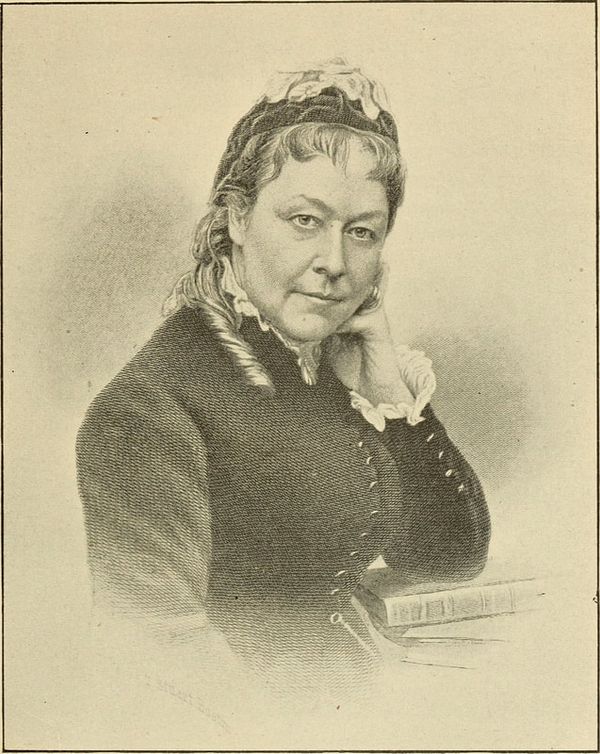
The Russo-Japanese War began.
The Welsh Revival began, drawing international attention to evangelical revival in Wales.
Spurgeon's library of nearly 6,000 books is sold to the Missouri Baptist General Association for 50 cents per volume. It was housed at William Jewell College until purchased by Midwestern Theological Seminary in Kansas City, MO.
3,000th consecutive Spurgeon sermon issued August 9th, 1906
A major earthquake and fire devastated San Francisco.
Dietrich Bonhoeffer was born in Breslau.
Son Tom’s health declines, A. G. Brown installed as pastor
Henry Ford introduces his Model T.
Spurgeon's student Thomas L. Johnson publishes his biography, Twenty-Eight Years a Slave.
Construction begins on the R.M.S. Titanic in Belfast, Northern Ireland.
American A.C. Dixon assumes pastorate of Metropolitan Tabernacle
George V is crowned king of the United Kingdom.
The Titanic sinks after striking an iceberg on her maiden voyage
Archduke Franz Ferdinand is assassinated in Sarajevo.
Britain declares war on Germany after Germany invades Belgium.
German U-boat sinks RMS Lusitania.
3,500th sermon in print, marking 61 continuous years of printing Spurgeon sermons
Thomas Spurgeon dies
Spurgeon's sermons stopped being published in May 1917 due to a paper shortage from World War 1
He being dead yet speaketh · 1917