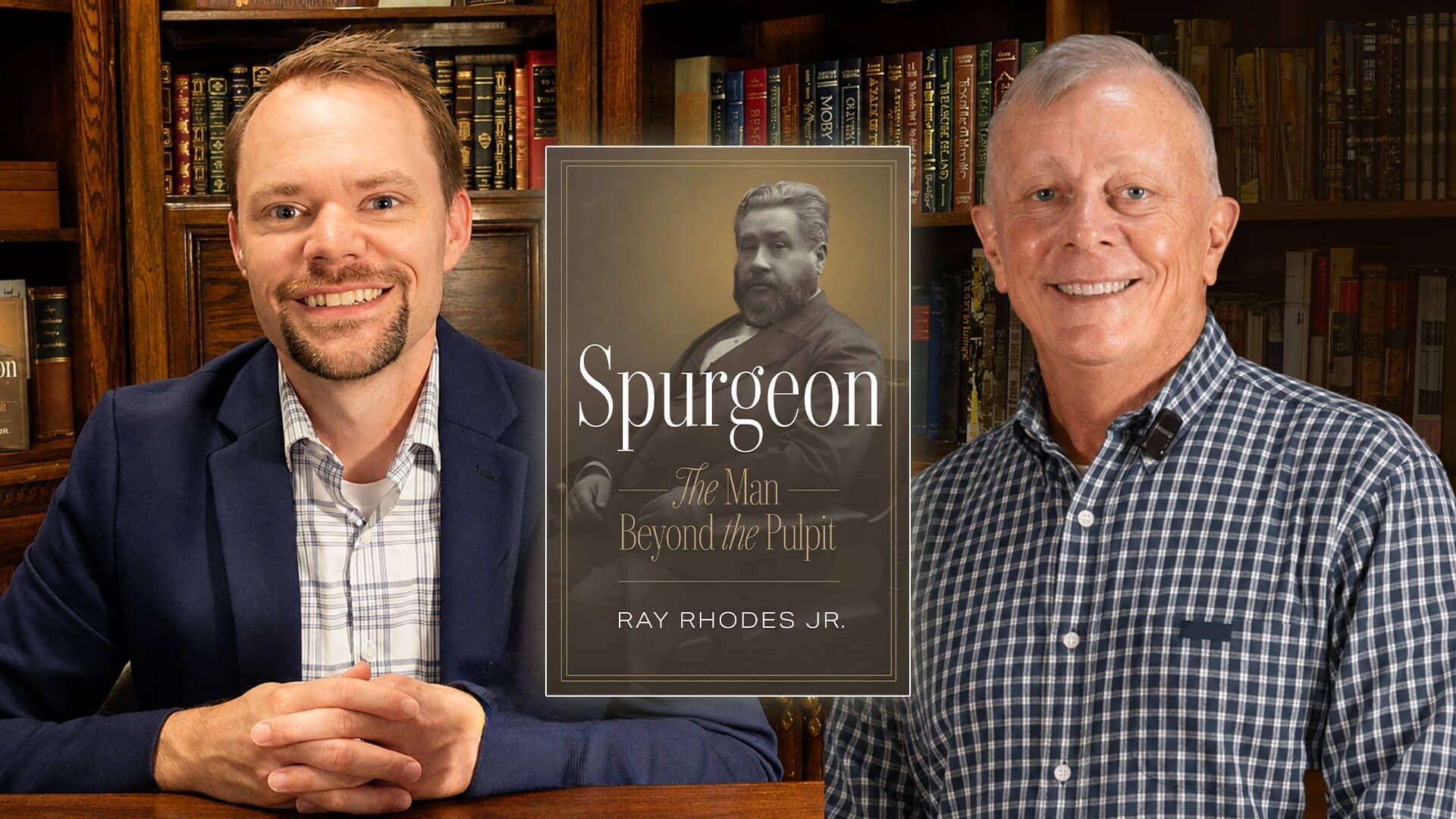
Few figures in church history faced the pressures Charles Spurgeon did — and fewer still responded with his combination of conviction and courage.
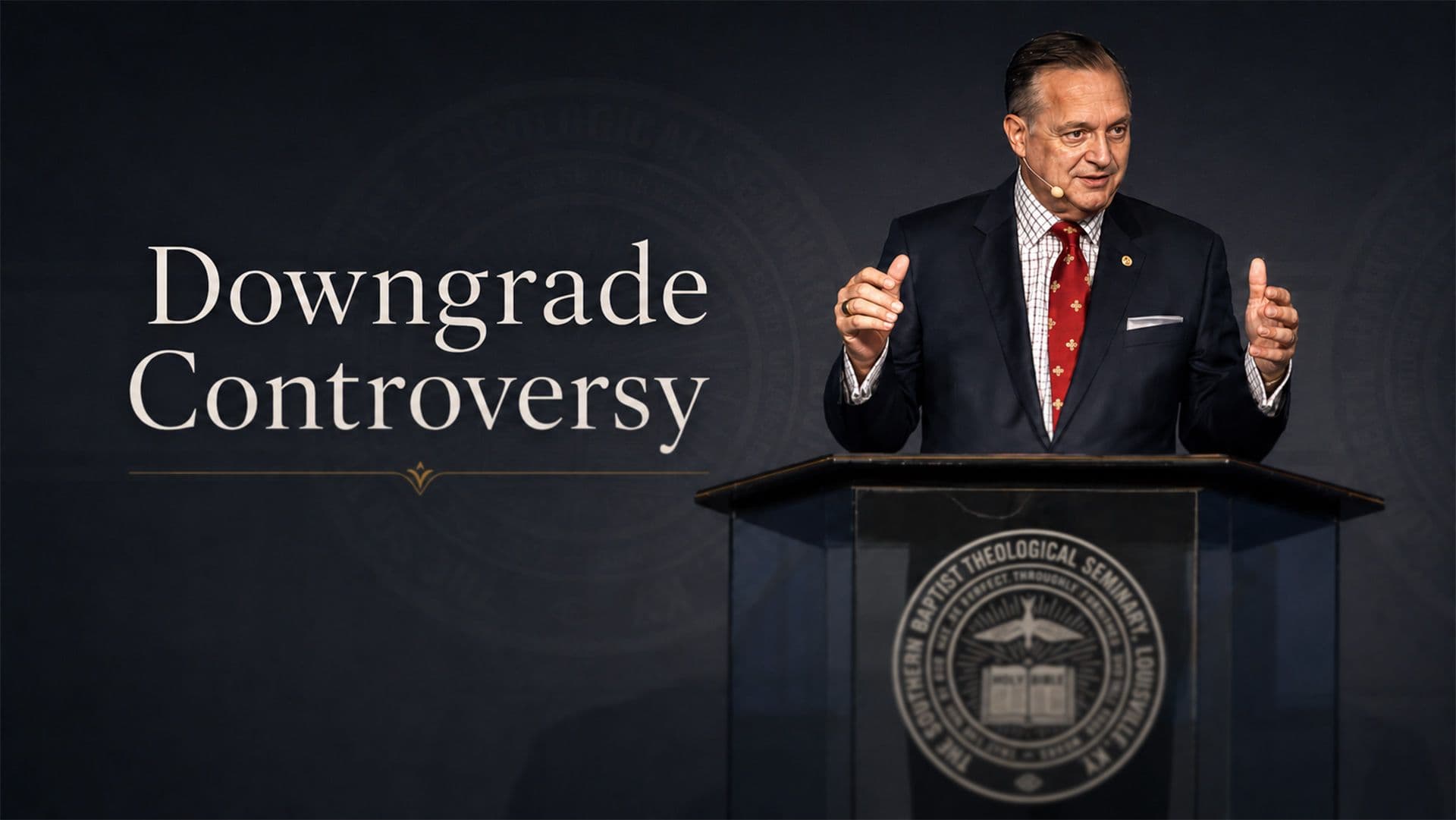
In this lecture, Dr. Albert Mohler examines one of the most defining moments of Spurgeon's ministry: his stand against the Downgrade Controversy of the late 1880s. As theological liberalism quietly eroded the foundations of British Nonconformity, Spurgeon refused to remain silent, even when it cost him dearly.
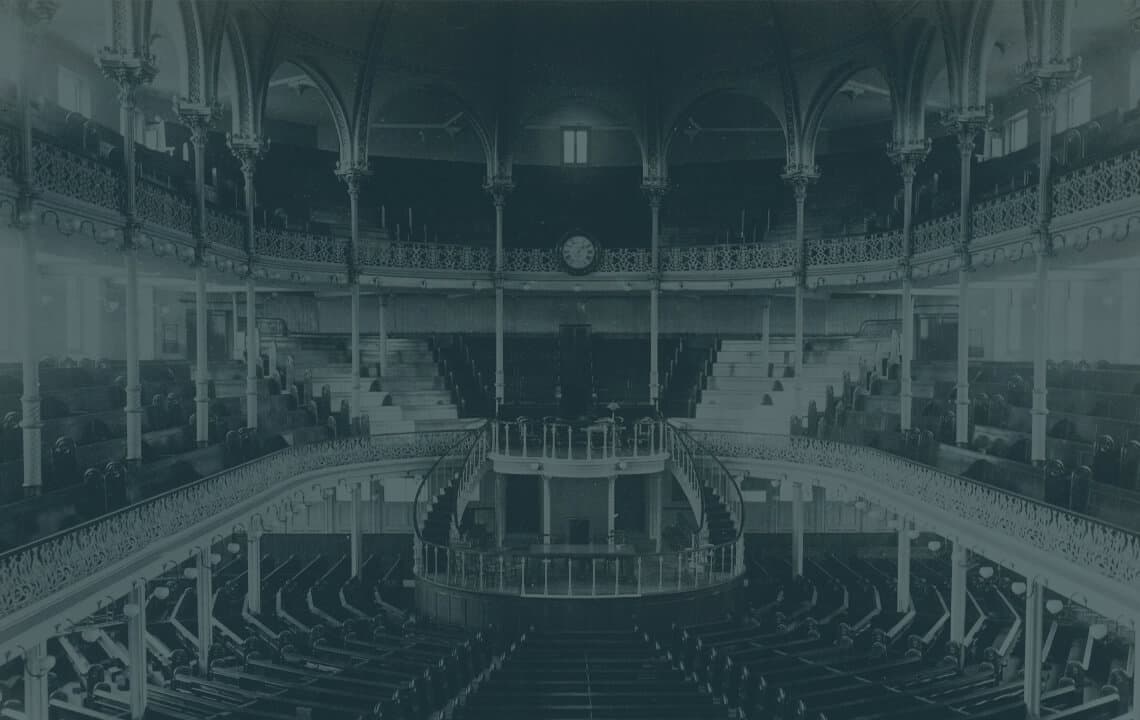
In the late nineteenth century, a theological crisis swept through the Baptist Union in England — one that Charles Haddon Spurgeon recognized before almost anyone else was willing to name it. Dr. Albert Mohler traces the contours of what became known as the Downgrade Controversy, exploring how liberal theology, higher criticism, and a drift from confessional orthodoxy began to compromise once-faithful churches and institutions. Spurgeon, already a towering figure at the Metropolitan Tabernacle, issued a series of pointed warnings through his magazine The Sword and the Trowel — warnings that were largely dismissed or ignored by the denominational establishment.
What followed was one of the most painful episodes of Spurgeon's life. Rather than capitulate to pressure or soften his message for the sake of institutional peace, Spurgeon withdrew from the Baptist Union in 1887 — a decision that brought him widespread criticism, personal heartbreak, and a controversy that likely contributed to his physical decline. Mohler draws out the theological and ecclesiastical stakes of that moment, showing how Spurgeon's willingness to stand alone models a kind of leadership the church desperately needs in every generation.
Mohler's treatment is historically rich, theologically serious, and pastorally urgent — a fitting tribute to a man who, even in controversy, never stopped fighting for the gospel.